External Access
Complete Full-Stack Web Developer - With Certificate
(0 Ratings)
1
$3.00
Course Overview:
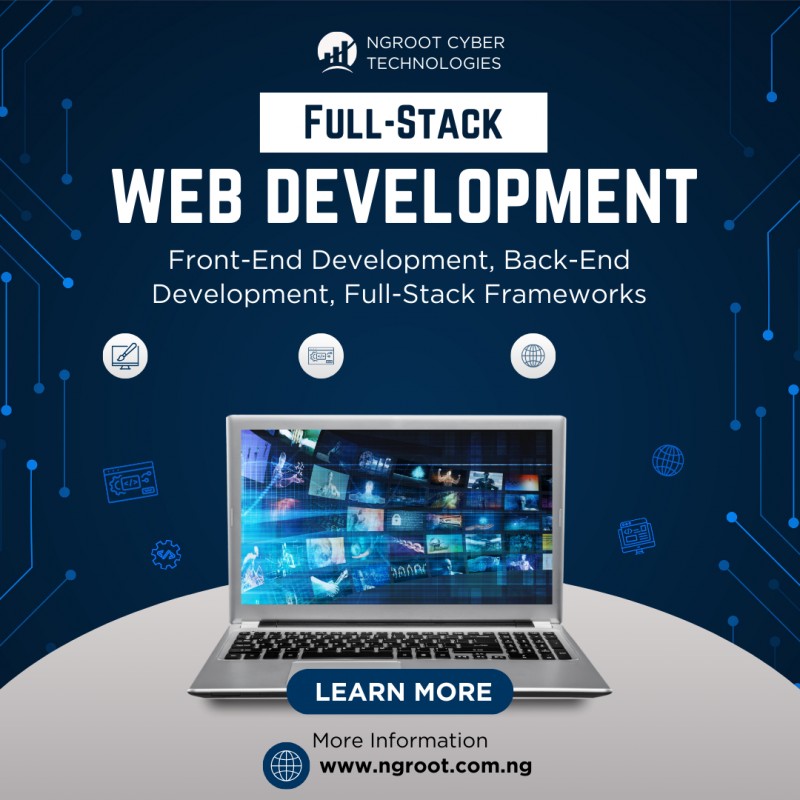
This all-encompassing course is designed to equip students with the skills and knowledge needed to become proficient Full-Stack Web Developers. Covering both front-end and back-end technologies, participants will master the tools and frameworks required to build dynamic, scalable, and responsive web applications.
Key Components of the Course:
- Front-End Development:
- HTML, CSS, and JavaScript: Mastery of core web technologies for structuring, styling, and adding interactivity to web pages.
- Responsive Design: Techniques for creating websites that adapt to various screen sizes and devices.
- Frameworks: Introduction to popular front-end frameworks like React, Angular, or Vue.js for building dynamic user interfaces.
- Back-End Development:
- Server-side Programming Languages: Proficiency in languages such as Node.js, Python, Ruby, or PHP for server-side development.
- Databases: Understanding and integrating databases like MySQL, MongoDB, or PostgreSQL.
- API Development: Creating RESTful APIs to facilitate communication between the front end and back end.
- Full-Stack Frameworks:
- MEAN or MERN Stack, Django, or Ruby on Rails: Hands-on experience with full-stack frameworks, enabling end-to-end application development.
- Version Control: Using Git for tracking changes and collaborating on projects.
- Authentication and Authorization:
- Implementing user authentication and authorization systems to secure web applications.
- Understanding OAuth and JWT for secure identity management.
- Web Security Best Practices:
- Recognizing and addressing common security vulnerabilities.
- Implementing secure coding practices to protect against attacks.
- DevOps and Deployment:
- Containerization: Introduction to Docker for packaging applications and their dependencies.
- Cloud Platforms: Deploying applications on platforms like AWS, Azure, or Google Cloud.
- Continuous Integration/Continuous Deployment (CI/CD): Automating the deployment pipeline for efficient development workflows.
- Web Application Testing:
- Writing and executing unit tests, integration tests, and end-to-end tests.
- Utilizing testing frameworks and tools for quality assurance.
- Scalability and Performance Optimization:
- Strategies for optimizing web application performance.
- Understanding load balancing and handling increased traffic.
- Agile Development and Collaboration:
- Working in an agile development environment.
- Collaborative tools and methodologies for effective teamwork.
- Portfolio Project:
- Culminating in a comprehensive portfolio project where students showcase their skills by developing a real-world web application.
Certificate of Completion:
Upon successfully completing the course, students will receive a certificate, affirming their status as a Full-Stack Web Developer. This certification serves as validation of their ability to create robust and scalable web applications, making them well-prepared for professional roles in the dynamic field of web development.