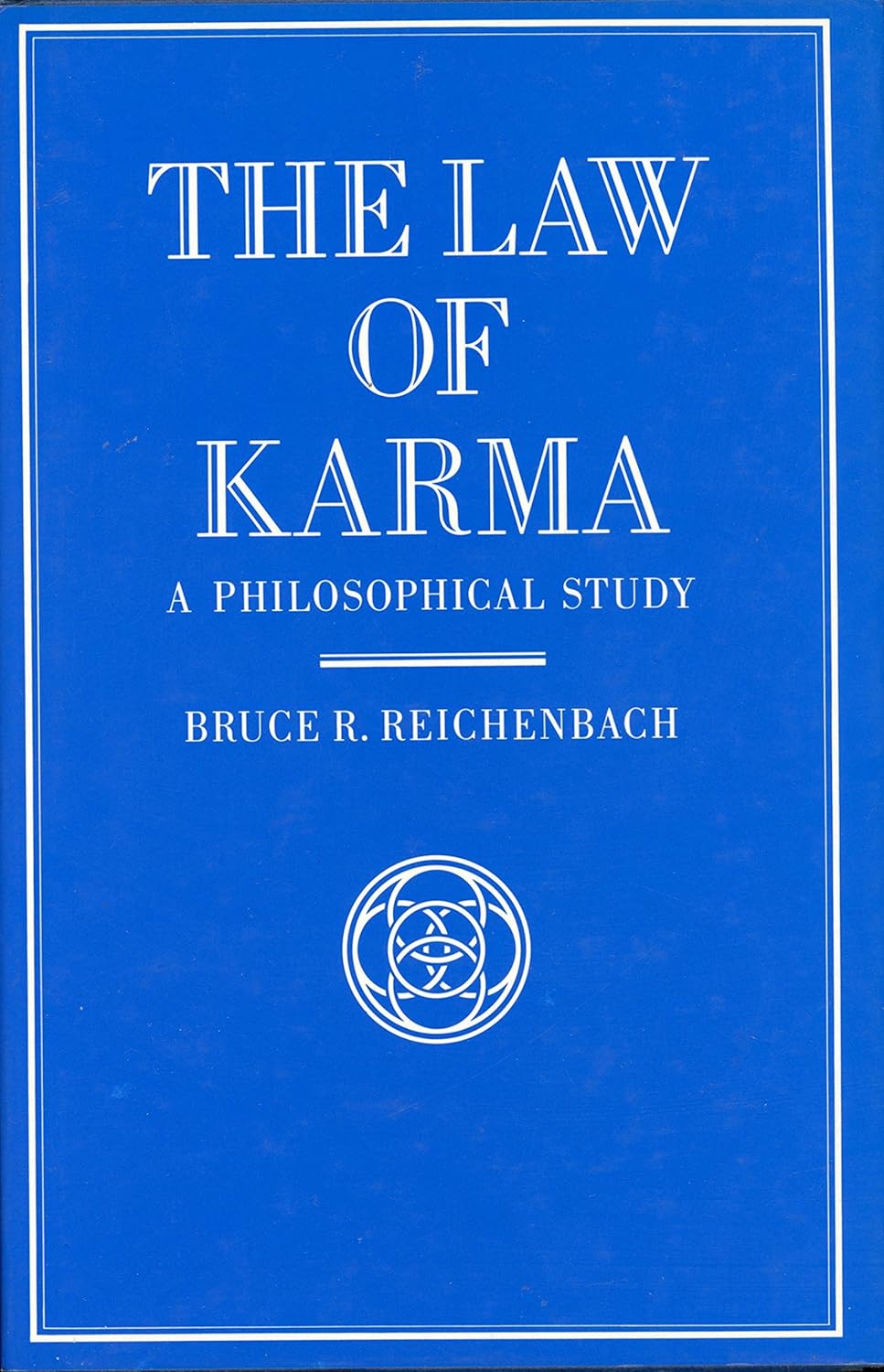
Law of Karma: A Philosophical Study

The Law of Karma is a fascinating concept that has been explored from various philosophical perspectives. Let’s delve into it:
Definition and Interpretation:
Advocates of the law of karma believe in a cause-and-effect relationship governing human actions. According to this doctrine, our actions (karma) have consequences that shape our future experiences.
Various interpretations exist regarding how karma operates, its scope, and its implications.
Connections to Philosophical Concepts:
Causation: Karma is closely tied to the idea of causation. It posits that actions lead to specific outcomes, either in this life or future lives.
Freedom: The law of karma raises questions about free will. Are our actions predetermined, or do we have genuine choices?
God: Some philosophical systems link karma to divine justice or cosmic order.
Persons: Karma affects individual lives, emphasizing personal responsibility.
Moral Law: Karma aligns with ethical principles—good actions yield positive results, and vice versa.
Liberation: Karma plays a role in spiritual liberation or moksha.
Immortality: Karma connects to ideas about the soul’s continuity across lifetimes.
Religious-Philosophical Systems:
The study encompasses ideas expressed in the 20th century and classical thought from:
Buddhism: Where karma is central to rebirth and enlightenment.
Hinduism: Where karma influences the cycle of samsara (reincarnation).
Jainism: Which also emphasizes karma’s impact on the soul’s journey.
Author and Book:
The book titled The Law of Karma: A Philosophical Study by Bruce R. Reichenbach1 provides an in-depth exploration of karma as both a philosophical thesis and a unifying concept within these religious-philosophical systems.