Why the Creator Economy Is Changing Media Expectations

Audiences now expect a more direct voice
The rise of the creator economy has changed how people think about media. Audiences no longer rely solely on established institutions for commentary, entertainment, education, or product insight. They increasingly turn to individual creators whose tone feels direct, recognizable, and human.
This does not mean traditional media has lost relevance. It means the relationship between publisher and audience has changed. Readers and viewers are now more accustomed to personality-driven communication, faster feedback loops, and content that feels less formal. Platforms like Madly Daily operate in a media landscape where those expectations increasingly influence editorial style.
Trust is built differently in creator-led spaces
Creator-led media often builds trust through familiarity rather than institutional authority alone. Audiences feel they know the person behind the content, which can make recommendations and opinions seem more personal. That closeness can be powerful, though it also brings risks when expertise is assumed without scrutiny.
For publishers, the lesson is not to imitate every creator trend. It is to understand why directness, clarity, and recognizable voice have become so important. Media that feels overly distant may struggle to hold attention in an environment shaped by personality and constant interaction.
Brands are adapting to new forms of influence
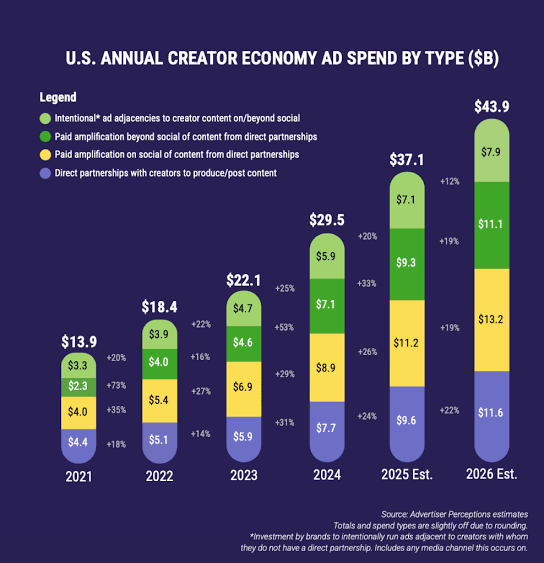
The creator economy has also changed how influence operates in business and marketing. Audiences often respond more positively to contextual recommendations or thoughtful commentary than to traditional advertising alone. That has pushed brands to rethink partnerships, content strategy, and tone.
Broader editorial spaces like Madly Times can explore this shift beyond simple marketing analysis. Creator culture intersects with labor, entrepreneurship, reputation, and public trust. It is a business story, a technology story, and a cultural story at the same time.
Independence and instability exist side by side
One reason the creator economy attracts attention is that it represents a new model of independence. Individuals can build audiences, launch products, and shape public conversation without following the traditional gatekeeping routes of old media. Yet this independence often comes with financial volatility and constant pressure to stay visible.
That tension makes the subject especially rich for analysis. The creator economy promises autonomy, but it also rewards relentless output and personal exposure. Good journalism on the topic should explore both the opportunities and the strain.
Media standards are being renegotiated in public
Platforms examining current affairs and culture, including Trending Liberty, are increasingly relevant to this discussion because creator influence now shapes politics, consumer trust, and public discourse. The lines between reporting, commentary, promotion, and personal branding are less stable than they once were.
The creator economy is changing media expectations because it has altered what audiences value: authenticity, immediacy, accessibility, and voice. For publishers and guest contributors, understanding that shift is essential. Strong editorial content still matters, but it now competes in an ecosystem where personality and trust are deeply intertwined.