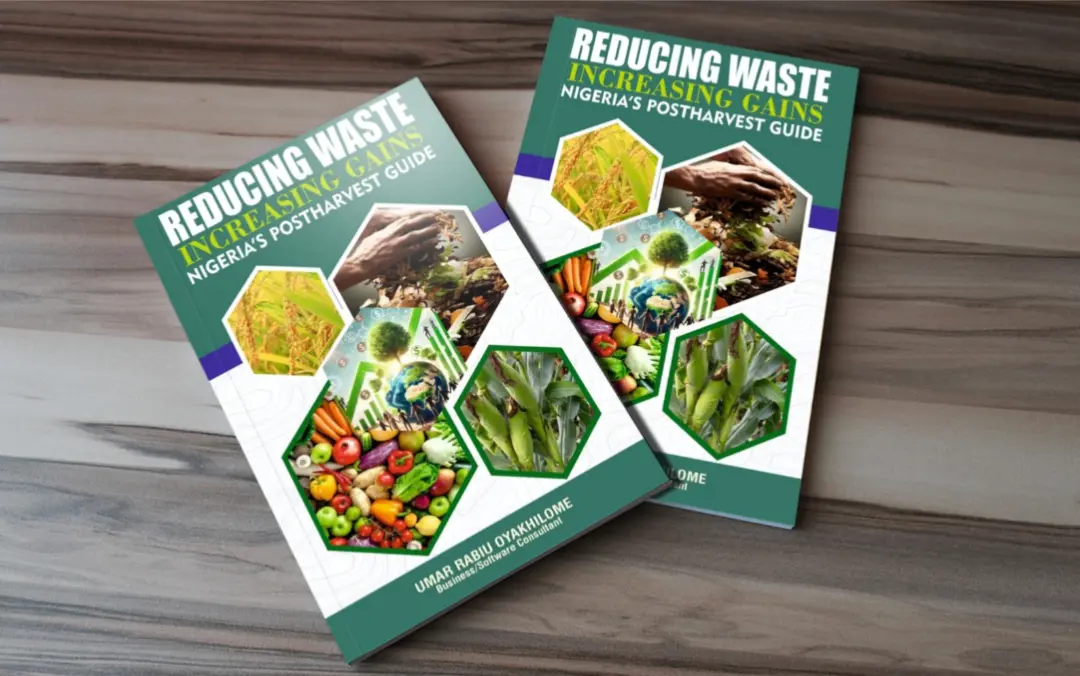
REDURING WASTE INCREASING GAIN: Nigeria's Postharvest Guide
Nigeria, with its vast agricultural resources, stands as one of the largest food producers in Africa. Despite this potential, the country faces significant challenges in ensuring that its agricultural products reach the consumer in optimal condition. A major contributor to food insecurity and economic loss is postharvest waste—an issue that has long affected Nigeria’s agricultural landscape.
Postharvest losses refer to the quantity of food that is lost between the time of harvest and its consumption, whether during handling, storage, transportation, or processing. These losses occur for various reasons, including inadequate infrastructure, poor storage facilities, pest infestations, and inefficient market systems. The consequences of these losses are staggering: not only do they contribute to food insecurity, but they also affect the livelihoods of farmers and the overall economy.
In Nigeria, it is estimated that up to 40% of agricultural produce is lost after harvest. This is a considerable amount of food that could otherwise feed millions of people or contribute to the economy. While the challenges are vast, they also present opportunities for innovative solutions and interventions. Reducing these losses can significantly improve food security, increase the profitability of farming, and boost economic growth.
This book, "Reducing Waste, Increasing Gains: Nigeria's Postharvest Guide," aims to provide comprehensive insights into the causes of postharvest losses and offer practical, actionable strategies to mitigate them. It is a call to action for all stakeholders in the agricultural value chain—farmers, policymakers, researchers, agricultural organizations, and consumers—to work together to reduce waste and increase the gains from Nigeria’s agricultural production.
The guide takes a holistic approach, addressing the various stages of the postharvest process: from harvest and handling, to storage, transportation, processing, and ultimately, market access. It highlights the role of modern technology, improved infrastructure, and education in combating waste, while emphasizing the importance of adopting sustainable practices. The book also explores the potential of value addition as a means to enhance the economic value of crops and reduce reliance on raw commodity exports.
Through this guide, I aim to offer practical solutions that can be implemented across Nigeria, particularly in rural areas where the majority of farming takes place. By focusing on reducing waste at each stage of the postharvest process, we can help farmers increase their yields, reduce financial losses, and improve their overall economic wellbeing. In turn, these improvements will have a positive impact on Nigeria’s agricultural sector, contributing to national food security and economic stability.
It is my belief that with the right strategies, innovation, and collaboration, Nigeria can transform its agricultural sector, reduce postharvest waste, and increase the gains that are vital to the prosperity of our nation