What Facilities Should Know Before Ordering Aged Care Furniture

Introduction
Choosing the right aged care furniture is an important decision for residential aged care homes, nursing facilities, retirement communities, and other senior living environments. Furniture in these settings needs to do more than look attractive. It should support comfort, safety, durability, easy maintenance, and the daily routines of residents and staff. From dining areas and lounges to bedrooms and shared spaces, every chair and table should be selected with the needs of older adults in mind.
For facilities working with a commercial furniture manufacturer such as Yumeya Furniture, the buying process can also focus on long-term value. Yumeya has specialized in wood grain metal chairs since 1998 and combines metal construction with wood-inspired finishes. Its experience in contract furniture manufacturing, quality control, production technology, and customized solutions can help facilities consider both design and practical performance when choosing aged care furniture.
Start With Comfort, Safety, and Resident Needs
Comfort should be one of the first considerations when ordering aged care furniture. Older residents may spend significant periods sitting in dining rooms, lounges, activity areas, or common spaces, so chairs should provide suitable support without making it difficult to sit down or stand up. Seat height, seat depth, back support, armrests, cushioning, and overall stability can all affect the user experience. Furniture should also complement the mobility needs of residents and support a welcoming, residential atmosphere rather than making the environment feel overly clinical.
Safety is equally important. Facilities should look for commercial-grade furniture designed for regular use and capable of handling the demands of busy care environments. Strong frames, stable construction, smooth surfaces, and carefully finished edges can help reduce unnecessary risks. Yumeya states that its chairs pass ANS/BIFMA X5.4-2012 and EN 16139:2013/AC:2013 Level 2 strength testing, providing an important quality consideration for facilities evaluating commercial seating. When comparing suppliers, buyers should always ask for clear information about testing, construction, materials, and expected performance.
Consider Durability for Daily Commercial Use
Aged care environments can place considerable demands on furniture. Chairs may be moved repeatedly, used several times a day, cleaned frequently, and exposed to constant contact. A product that looks excellent in a showroom may not provide the same value if it is not designed for intensive commercial use. Facilities should therefore assess frame construction, joints, finishes, upholstery, surface protection, and the manufacturer's quality control process before making a large purchase.
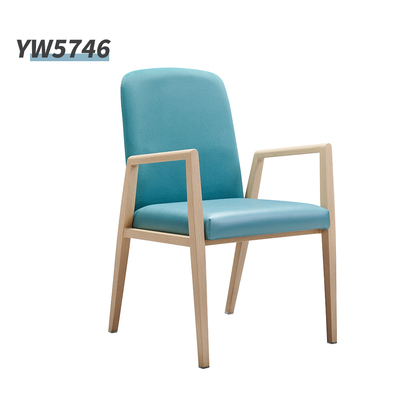
Yumeya's approach combines metal frames with wood grain technology to create furniture with the visual character of wood while using a metal structure. The company says it has developed wood grain technology for more than 20 years and introduced 3D wood grain chairs in 2018. This type of construction can be useful for facilities seeking a balance between a warm interior style and the practical requirements of contract furniture. A durable chair can also reduce replacement frequency, helping facilities manage long-term furniture costs more effectively.
Choose Materials That Support Hygiene and Easy Maintenance
Cleaning is an everyday concern in aged care facilities. Furniture should be selected with maintenance requirements in mind because dining chairs, lounge seating, and other high-touch pieces can require frequent cleaning. Complicated designs, difficult-to-reach areas, or unsuitable materials may increase the time required for routine care. Buyers should discuss cleaning procedures, material compatibility, finish durability, and maintenance instructions with the supplier before placing an order.
Material selection also affects the atmosphere of a care facility. Many modern aged care projects aim to create spaces that feel comfortable, familiar, and residential rather than institutional. Wood-look finishes can contribute to this goal by adding warmth and natural visual appeal. Yumeya's metal wood grain technology is designed to combine the appearance and touch of wood with a metal chair structure, giving facilities another option when creating inviting dining and communal environments. The right balance between appearance, hygiene, maintenance, and durability can make furniture more practical over its full service life.
Think About Design, Space, and Furniture Flexibility
Aged care furniture should fit the facility's interior design as well as its physical space. Dining rooms, activity rooms, reception areas, lounges, and smaller gathering spaces may have different furniture requirements. Before ordering, facilities should consider chair dimensions, table sizes, walking paths, storage needs, and how easily furniture can be rearranged. Space-efficient solutions can be especially useful when rooms need to serve several purposes throughout the day.
Flexible commercial seating can also make operational planning easier. Yumeya offers technologies such as stackable designs and KD technology, which are intended to improve storage and transportation efficiency. Stackable chairs can help facilities save storage space when seating is not being used, while knock-down solutions can improve container loading efficiency for certain products. These features may be valuable for projects where storage capacity, logistics, or future room changes are important considerations.
Evaluate the Supplier's Manufacturing and Quality Process
The furniture supplier is just as important as the furniture itself. Facilities placing a large aged care furniture order should examine the manufacturer's production capabilities, quality assurance system, customization options, delivery process, and after-sales support. Reliable manufacturing can help reduce the risk of inconsistent products, unexpected delays, or difficulty obtaining matching furniture for future projects. A supplier with experience in contract furniture is often better positioned to understand the requirements of commercial buyers.
Yumeya reports having more than 200 workers, a 20,000-square-meter factory area, and substantial monthly chair production capacity. The company also describes a quality control team of 30 people working across production stages, from raw materials to finished products. Its manufacturing process includes automated equipment, welding, grinding, powder coating preparation, and other production steps. Yumeya also states that its customized contract furniture can be delivered within 25 days for applicable orders. Facilities should still confirm current lead times, specifications, certifications, and project requirements directly before ordering.
Plan for Long-Term Value and Sustainable Furniture Choices
The lowest initial price is not always the best measure of value. Facilities should consider how long furniture is expected to last, how much maintenance it requires, whether replacement pieces will be available, and how well the design will continue to fit the facility as needs change. Buying commercial furniture with a clear focus on durability and lifecycle value can help reduce the disruption and expense associated with frequent replacements.
Environmental considerations are also becoming increasingly important in furniture purchasing. Yumeya's mission focuses on bringing environmentally friendly furniture to the world, and its development of metal wood grain chairs is positioned as an alternative to traditional solid wood construction. Its production and technology investments also reflect an effort to improve manufacturing efficiency. For aged care operators, choosing furniture from a manufacturer that takes materials, production efficiency, durability, and responsible manufacturing seriously can support both practical goals and broader sustainability objectives.
Conclusion
Ordering aged care furniture requires more thought than simply choosing attractive chairs and tables. Facilities should evaluate resident comfort, safety, commercial durability, cleanability, design, storage, manufacturing quality, delivery, and long-term value. The best furniture should work naturally within everyday care environments while helping create spaces where residents feel comfortable and welcome.
Yumeya Furniture provides a contract furniture approach that combines wood-inspired aesthetics with metal construction, manufacturing technology, quality control, customization, and commercial seating expertise. Its experience with wood grain metal chairs and ongoing product development makes it a supplier worth considering for facilities seeking durable and visually appealing furniture. By asking the right questions before ordering and choosing products based on both immediate needs and long-term performance, aged care facilities can make a more confident and practical furniture investment.