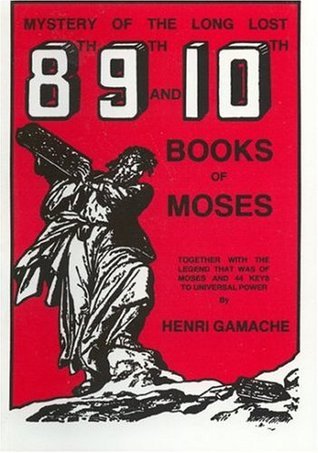
8th 9th and 10th BOOKS OF MOSES
8th, 9th, and 10th Books of Moses
The "8th, 9th, and 10th Books of Moses" are grimoires attributed to the biblical figure Moses, emerging from early modern European esoteric traditions. These books claim to reveal secret knowledge and magical practices that Moses purportedly received from God or learned in Egypt. Unlike the canonical first five books of Moses in the Hebrew Bible, these additional books are not recognized by mainstream religious traditions and are associated with folk magic and occultism.
The 8th Book of Moses typically includes divine names and invocations, instructions for creating amulets and talismans, magical alphabets and symbols, and various spells and incantations for purposes like love, protection, and divination.
The 9th Book of Moses builds on these themes with astrological correspondences, more complex rituals for summoning spirits and gaining knowledge, secret knowledge blending Kabbalistic and Christian mystical elements, and detailed instructions for ceremonial magic practices.
The 10th Book of Moses is considered the culmination of this esoteric tradition, presenting advanced theurgical practices for achieving union with the divine or invoking higher spiritual beings, eschatological secrets about the end times, master spells with detailed instructions, and reflections on the moral and philosophical implications of magical practice.
These books have had a significant impact on Western esoteric traditions, forming part of a larger body of work that includes other influential grimoires like the "Sixth and Seventh Books of Moses." They have been used by practitioners of ceremonial magic, folk magic, and hoodoo, and continue to interest students of the occult.
In contemporary practice, these books are approached with a mix of historical curiosity and practical interest. While some modern magicians use the rituals and spells, others study them as part of the history of magical traditions. It is important to understand these texts within their historical and cultural context, as their attribution to Moses is generally considered pseudepigraphal.
The 8th, 9th, and 10th Books of Moses offer a glimpse into the syncretic nature of early modern occultism, blending elements of Jewish, Christian, and folk traditions. Whether used for practical magic or historical study, they continue to captivate those interested in the mysteries of the esoteric.