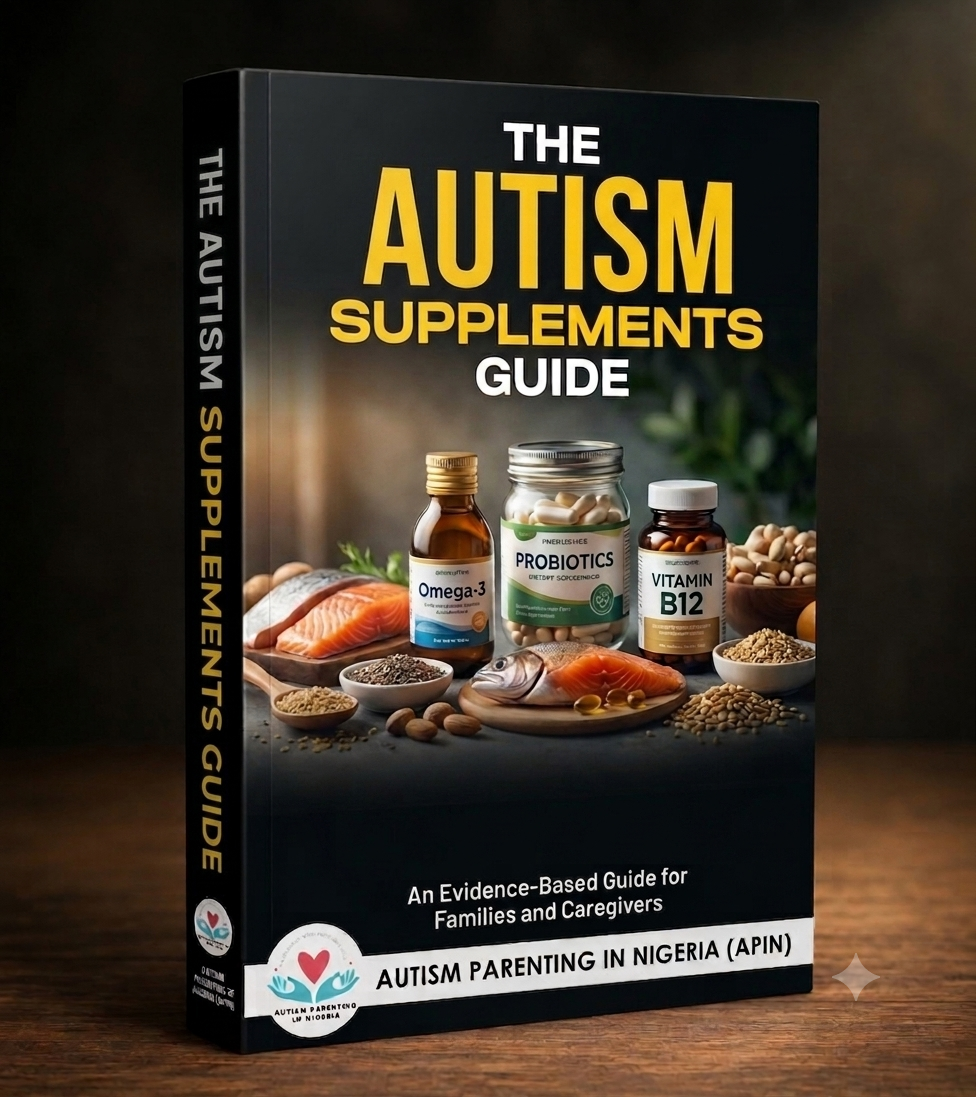
THE AUTISM SUPPLEMENT GUIDE FOR PARENTS
THE AUTISM SUPPLEMENT GUIDE FOR PARENTS
What to Give, When, Why & How to Give It Safely
A practical, parent-friendly guide to navigating supplements, nutritional deficiencies, laboratory testing, timing and supplement safety for children with autism.
Are you overwhelmed by the number of supplements recommended for children with autism?
Vitamin D. Magnesium. Omega-3. Zinc. Probiotics. Iron. B12. Folate. Melatonin. CoQ10. NAC…
You may have heard that one supplement is essential, another should be taken at night, another must be separated from iron, while another should only be used after laboratory testing.
And then there are questions like:
Which supplements does my child actually need?
What dose is appropriate?
When should I give it?
Can two supplements be taken together?
Could a supplement interfere with my child's medication?
What should I test before starting?
How do I know if my child's diet may be leaving nutritional gaps?
This guide was created to help you approach these questions in a more structured, informed and safety-conscious way.
INSIDE THIS GUIDE, YOU'LL LEARN:
✔ Understand the role of key supplements
Explore practical profiles of commonly discussed supplements and nutritional supports, including:
- Vitamin D3 + K2
- Magnesium + Vitamin B6
- Omega-3 fatty acids (EPA + DHA)
- Zinc
- Probiotics
- Iron
- Vitamin B12
- Folate / methylfolate
- CoQ10
- Vitamin C
- NAC / glutathione
- Melatonin
Each profile covers important practical considerations such as why it may be relevant, timing, forms, absorption tips, possible side effects, interactions and evidence considerations.
✔ Stop guessing about supplement timing
Learn how to organise supplements around:
Morning
Meals
Afternoon
Evening
Bedtime
The guide includes an at-a-glance timing chart designed to make a complicated supplement routine easier to understand.
✔ Learn important supplement interactions
Some supplements compete for absorption. Others may interact with medications.
The guide includes a Critical Interactions Master Reference covering combinations such as:
- Iron + zinc
- Iron + calcium/dairy
- Iron + vitamin C
- Zinc + antibiotics
- Magnesium + antibiotics
- Vitamin D + magnesium
- Melatonin + certain medications
- Omega-3 + blood thinners
- B12 + metformin
- Folate + anticonvulsants
- Probiotics + antibiotics
- CoQ10 + warfarin
So instead of simply asking, “What supplement should I give?”, you can begin asking the more important question:
“How can this be used safely?”
✔ Learn the RED FLAGS parents should know
The guide highlights important situations where parents should not simply start a supplement on their own.
You'll learn why it matters to:
- Test before supplementing when appropriate
- Avoid unnecessary high doses
- Be cautious with fat-soluble vitamins
- Confirm iron deficiency before giving iron
- Consider copper when using zinc long-term
- Separate certain supplements from antibiotics
- Introduce supplements gradually
- Keep a supplement log
These principles are designed to help you move away from “more supplements must be better” thinking.
✔ Recognise possible nutritional deficiency patterns
Could your child's diet be missing important nutrients?
The guide walks parents through possible signs associated with nutritional deficiencies involving:
- Vitamin D
- Magnesium
- Omega-3
- Iron
- Zinc
- Vitamin B12
- Folate
- Sleep-related nutritional concerns
Importantly, these signs are not presented as diagnostic tests. Instead, they are clinical clues you can discuss with your child's healthcare professional.
✔ Know which laboratory tests to discuss with your doctor
Instead of randomly buying supplements, learn about laboratory investigations that may help identify nutritional problems.
The guide discusses investigations including:
- Full blood count
- Ferritin and iron studies
- Vitamin D
- Zinc and copper
- Magnesium
- Vitamin B12
- Folate
- Homocysteine
- Omega-3 index
- Selected inflammatory and specialised tests
The goal is to help parents have better-informed conversations with their child's doctor.
✔ Make supplementation more practical for Nigerian families
This isn't just a supplement list.
The guide includes a Practical Guide for Nigerian Parents, with advice on what to look for when purchasing supplements, common supplement forms and examples of products that may be encountered in Nigeria.
You'll also find practical ideas for children who resist supplements, including ways of incorporating suitable formulations into foods and drinks.
✔ Follow practical sample schedules
If you've ever looked at a pile of supplements and wondered:
“How on earth am I supposed to give all of these?”
You'll appreciate the sample schedules included in the guide.
There is a Starter Protocol for families beginning their supplement journey and a Comprehensive Protocol for families working with professional guidance on multiple nutritional areas.
✔ Understand "heavy-metal " testing and exposure
The guide also discusses "heavy-metal " exposure, when testing may be appropriate, different testing methods and environmental sources of exposure.
It makes an important distinction:
Heavy metals do not cause autism.
However, identifying and addressing genuine toxic exposure is a separate health concern that may warrant medical attention.
WHO IS THIS GUIDE FOR?
This guide is especially useful for parents and caregivers who:
✓ Have a child with autism and feel overwhelmed by supplement recommendations
✓ Are considering starting supplements but don't know where to begin
✓ Want to understand supplement timing and interactions
✓ Want to have more informed conversations with their child's doctor
✓ Are dealing with restricted eating or food selectivity
✓ Want to understand which nutritional deficiencies may warrant investigation
✓ Already use supplements and want to organise them more carefully
✓ Live in Nigeria and want practical guidance relevant to the Nigerian context
THIS IS NOT AN AUTISM “CURE”
This guide does not promise to cure autism.
It is an educational resource designed to help parents understand nutritional supplementation, identify questions worth discussing with a healthcare professional and approach supplements more thoughtfully and safely.
Your child's individual needs are different.
Always consult your child's paediatrician, neurologist or appropriate healthcare professional before starting supplements.
YOUR NEXT STEP
You don't need to become an expert in nutrition overnight.
You simply need a reliable starting point.
Get the Autism Supplement Guide for Parents today and start making sense of the confusing world of supplements, testing, timing and safety.
THE AUTISM SUPPLEMENT GUIDE FOR PARENTS
What to Give • When • Why • How to Give It Safely
Get Instant Access Today