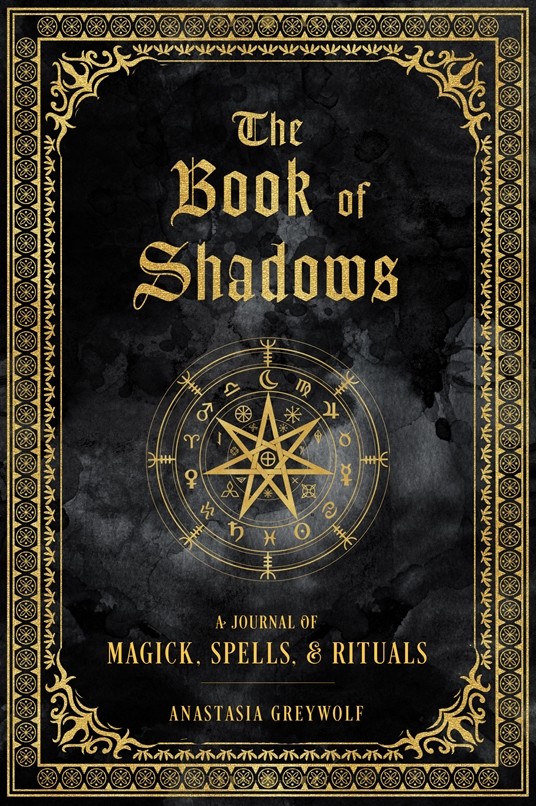
THE BOOK OF SHADOW
The term "Book of Shadows" generally refers to a personal, magical journal kept by practitioners of Wicca and other neo-pagan religions. Here is a comprehensive description:
### Origins and Purpose
The Book of Shadows is a sacred text and spiritual journal used in the practice of Wicca and other neo-pagan traditions. It serves as a repository for spells, rituals, invocations, chants, magical lore, and personal reflections. The concept was popularized by Gerald Gardner, the founder of modern Wicca, in the mid-20th century. However, the idea of keeping a magical record dates back much earlier, with similar practices found in various cultures throughout history.
### Contents
The contents of a Book of Shadows can vary widely, reflecting the individual practitioner's journey, beliefs, and practices. Common elements often include:
1. **Spells and Rituals:** Detailed instructions for casting spells and conducting rituals, including the tools needed, incantations to be spoken, and the desired outcomes.
2. **Correspondences:** Lists of associations between various magical elements, such as the properties of herbs, crystals, colors, and phases of the moon.
3. **Invocations and Chants:** Prayers, invocations to deities or spirits, and chants used to raise energy during magical workings.
4. **Sabbats and Esbats:** Descriptions and rituals for celebrating the eight Sabbats (seasonal festivals) and Esbats (monthly full moon gatherings) in the Wiccan Wheel of the Year.
5. **Divination:** Methods and records of divination practices, such as tarot readings, scrying, astrology, and other forms of prophecy.
6. **Personal Reflections:** Journaling entries that document personal experiences, insights gained from magical work, and reflections on spiritual growth.
7. **Dreams and Visions:** Records of dreams, visions, and other forms of spiritual communication or experiences.
### Format and Structure
The format and structure of a Book of Shadows can be highly personalized. Some practitioners prefer handwritten, leather-bound books to emphasize the sacred and intimate nature of their contents. Others may use digital formats for convenience and ease of updating. The structure may follow a formalized layout with sections dedicated to different topics, or it may be more free-form, evolving organically over time.
### Secrecy and Sharing
Traditionally, a Book of Shadows is a private document, kept secret and shared only with trusted individuals, often within a coven. This secrecy underscores the personal and sacred nature of the work. However, in contemporary practice, some practitioners choose to share portions of their Book of Shadows with the public, especially in online communities, contributing to the collective knowledge and support within the pagan community.
### Evolution and Modern Adaptations
The Book of Shadows continues to evolve with modern technology and changing practices within the neo-pagan community. While some practitioners remain true to the traditional handwritten format, others embrace digital versions, using apps, websites, and electronic documents to compile their magical records.
### Conclusion
The Book of Shadows is a vital tool for many Wiccans and neo-pagans, serving as a living document that grows and evolves with their spiritual practice. Whether kept secret or shared openly, it represents a personal journey into the mysteries of magic and spirituality, reflecting the unique path of each practitioner.