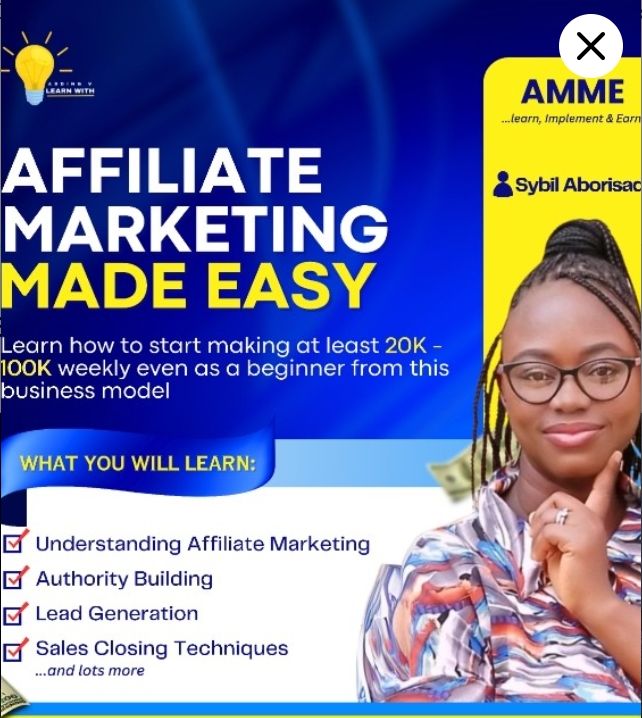
AFFILIATE MARKETING FOR BEGINNERS PROGRAM

Affiliate marketing is a simple way to earn money online by promoting a company (Marchant) product or service.
You don't need to create the product, handle delivery, or even deal with customer service, your job is to recommend a product and earn a commission every time someone buy's through your uniques affiliate link
*Affiliate marketing* is a performance-based business model where you earn money by promoting other people’s products or services. You get paid a commission when someone buys, signs up, or takes a specific action through your unique link.
Think of it as being a digital salesperson without holding inventory or dealing with customers directly.
1. How it actually works
There are 4 players in the loop:
1. *Merchant/Advertiser*: The company that owns the product. Amazon, Jumia, a SaaS company like GetResponse, a course creator.
2. *Affiliate/Publisher*: You. The person promoting the product through content, ads, social media, email, etc.
3. *Consumer*: The person who clicks your link and buys.
4. *Affiliate Network*: Sometimes there’s a middleman like ShareASale, ClickBank, Commission Junction, or Jumia KOL that tracks clicks, sales, and pays you.
*The process:*
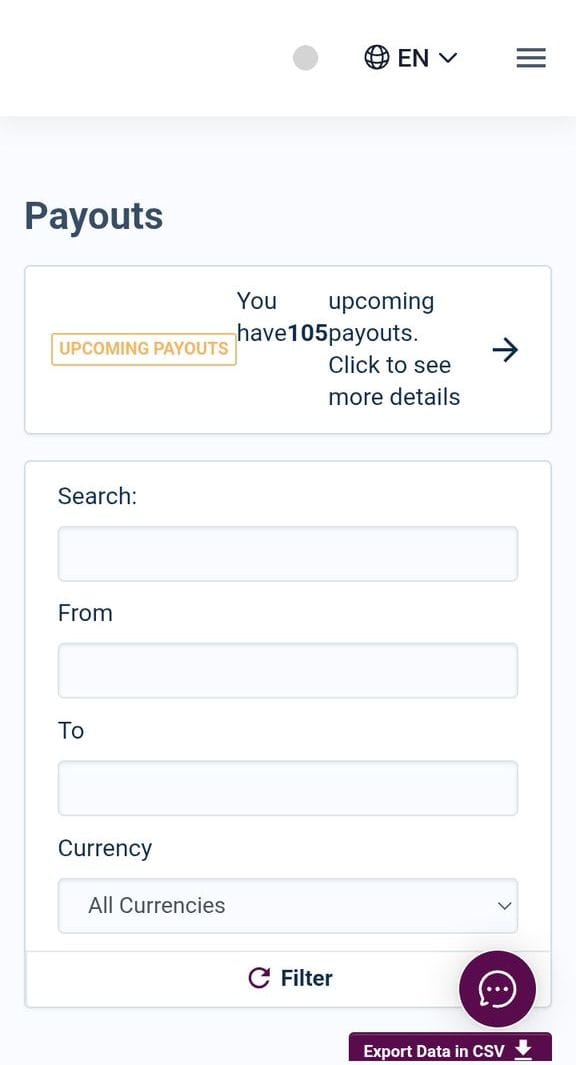
1. You join an affiliate program and get a unique tracking link.
2. You share that link in a blog post, YouTube video, Instagram story, WhatsApp group, etc.
3. Someone clicks and buys within the “cookie window” – usually 7-90 days.
4. The network tracks it and pays you a commission, usually monthly.

2. Common commission models
- *Pay Per Sale (PPS)*: You get 5-50% of the sale price. Common for physical products, courses, software. Amazon Associates pays 1-10%.
- *Pay Per Lead (PPL)*: You get paid when someone signs up for a free trial, submits email, or requests a quote. Common for finance, insurance, SaaS.
- *Pay Per Click (PPC)*: Rare now. You get paid per click regardless of conversion.
- *Recurring Commission*: You get paid monthly as long as the customer stays subscribed. Common with SaaS, hosting, memberships. This is where real passive income comes from.
3. Where affiliates promote
- *Content sites/blogs*: “Best laptops for students” posts with affiliate links.
- *YouTube*: Product reviews, tutorials, “I tried X for 30 days” videos.
- *Social media*: TikTok, Instagram, Facebook pages/groups.
- *Email lists*: Newsletters with curated deals.
- *Coupons & deals sites*: People search “Nike discount code” and you earn if they buy.
- *WhatsApp/Telegram*: Common in Nigeria/Africa for digital products, courses, apps.
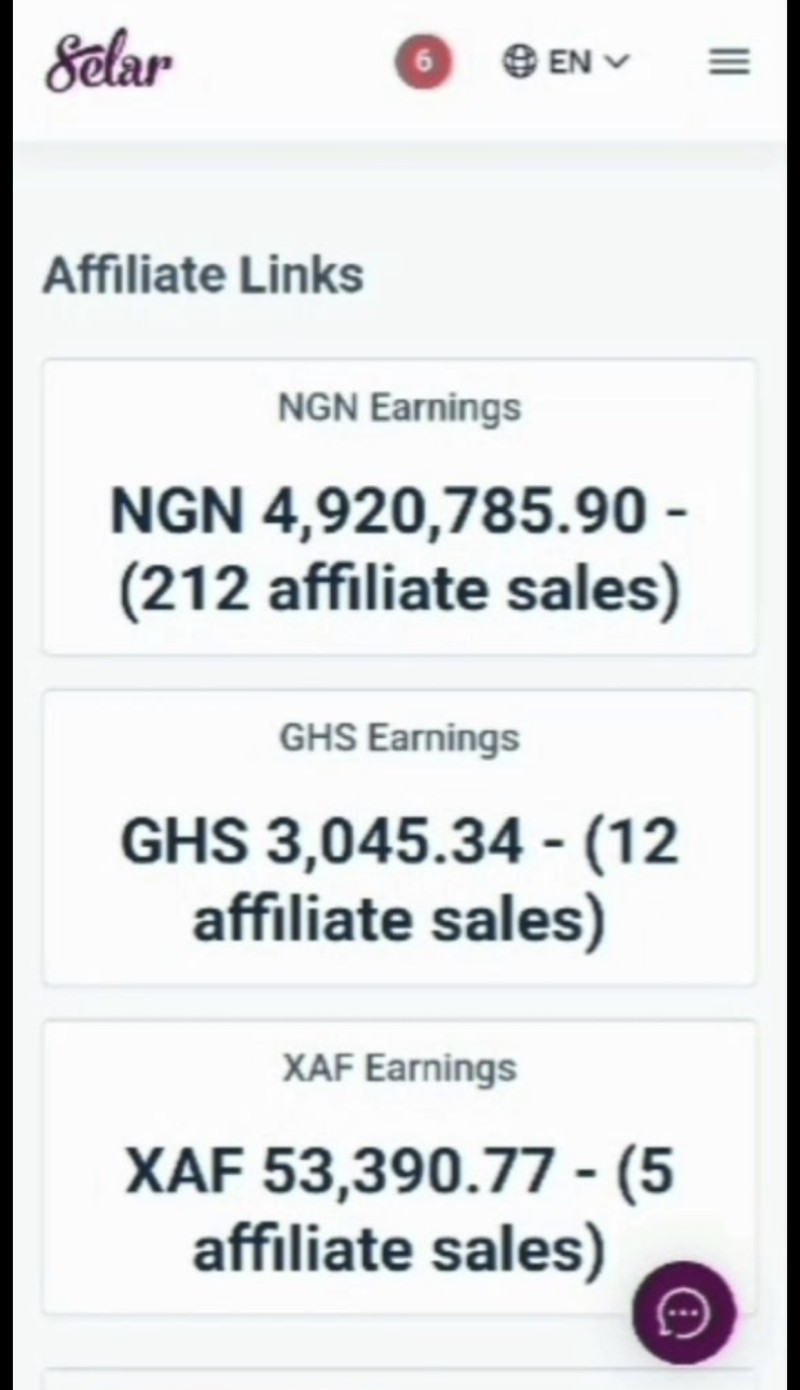
4. Why people do it
*Pros:*
- *Low startup cost*: No product creation, no inventory, no shipping.
- *Scalable*: One piece of content can earn for years if it ranks.
- *Location independent*: Work from anywhere with internet.
- *Passive potential*: After setup, commissions keep coming.
*Cons:*
- *No control*: Merchant can change commission rates, stop the program, or have bad customer service that hurts your reputation.
- *Delayed payment*: Most programs pay 30-60 days after sale.
- *Competition*: Easy to start, so niches get crowded fast.
- *Traffic dependency*: No traffic = no money. You need to learn SEO, ads, or social growth.
5. What makes someone succeed
1. *Trust*: People buy from people they trust. Fake reviews kill you long-term.
2. *Niche down*: “Fitness” is too broad. “Home workouts for new moms” is better.
3. *Solve a problem first*: Don’t lead with “buy this.” Lead with “here’s how to fix X” and the product is the solution.
4. *Diversify programs*: Don’t rely on one merchant. If Amazon cuts rates, you’re done.
5. *Track data*: Know which links, platforms, and content actually convert.
6. Examples you’d recognize
- A YouTuber reviews a camera and puts “Link in description” to buy on Amazon.
- A blogger writes “Best web hosting for WordPress” and links to Hostinger, earning $60 per signup.
- An Instagram page posts “10 products under ₦5k on Jumia” with affiliate links.
- A WhatsApp admin shares a digital course link and earns 40% per sale.
---
Affiliate marketing isn’t “get rich quick.” It’s a real business that rewards consistency and trust.
If you’re starting from scratch, the fastest way is picking 1 platform you already use – YouTube, TikTok, WhatsApp, or a blog – and choosing 1 niche you know or are willing to learn deeply.
Want me to map out a starter plan for affiliate marketing using WhatsApp/Telegram since that’s common here?