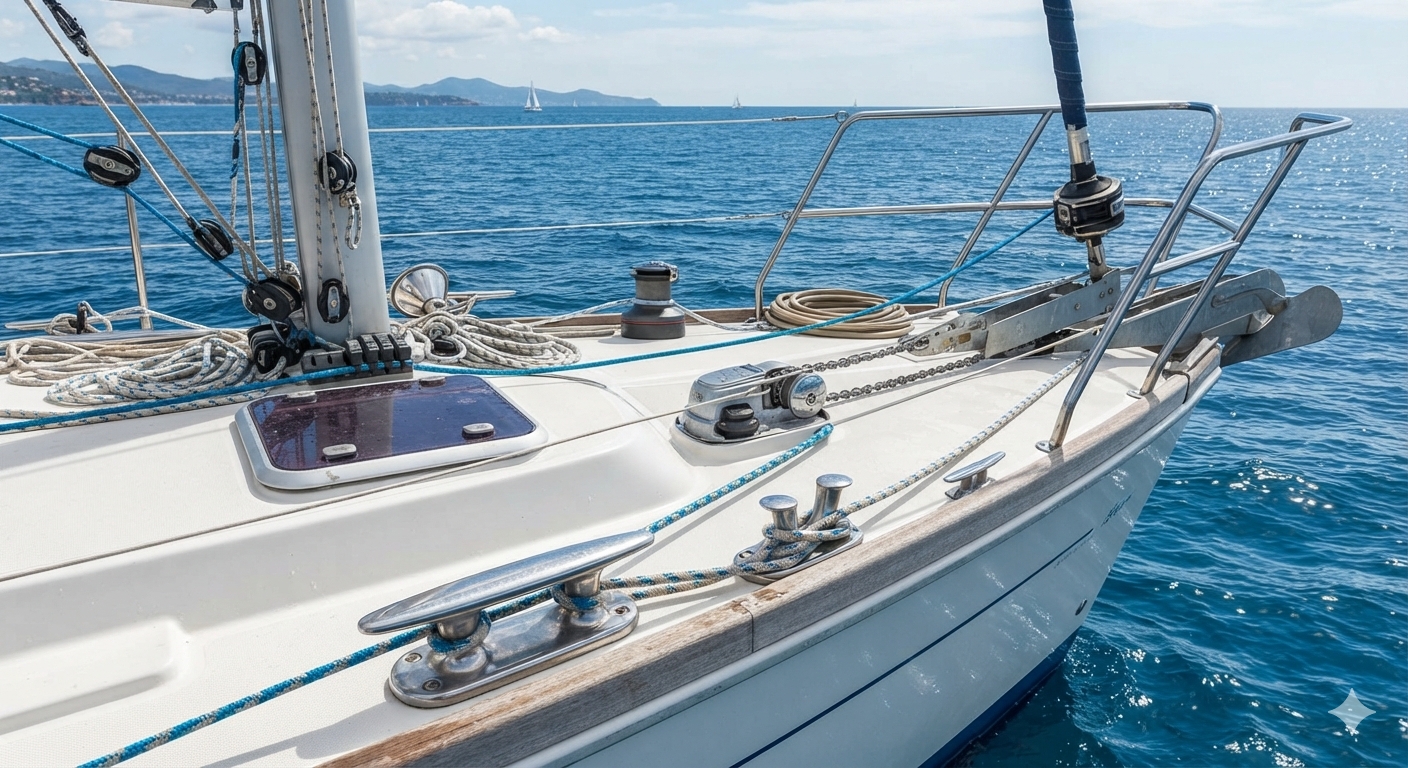
Deck Hardware: Essential Components for a Functional Boat

A boat's deck is one of the most active areas of a vessel. It supports passengers, equipment, ropes, sails, and various accessories while being continuously exposed to sunlight, moisture, wind, and saltwater. Deck Hardware provides the fittings and components needed to make the deck functional, secure, and convenient for everyday boating activities.
What Is Deck Hardware?
Deck hardware includes a wide range of marine fittings installed on or around a boat's deck. Common examples include cleats, bollards, fairleads, pad eyes, hinges, latches, handles, deck plates, and other specialized fittings.
Each component has a specific purpose. Some fittings are designed to secure ropes, while others provide attachment points, access to equipment, or support for various onboard accessories.
Importance of Quality Deck Hardware
Deck fittings are often exposed to demanding marine conditions. Saltwater and humidity can accelerate corrosion, while wind and movement can place significant loads on mooring and rigging components.
Quality deck hardware should therefore be strong, durable, and suitable for the environment in which it will be used. Properly selected fittings can provide reliable service while helping maintain the overall functionality of the vessel.
Common Types of Deck Hardware
Cleats are among the most recognizable pieces of deck hardware. They provide secure attachment points for mooring lines and other ropes. Fairleads guide ropes and help reduce unnecessary friction, while bollards provide strong attachment points on larger vessels.
Deck plates can provide access to areas below the deck, and hatches can offer convenient access to storage compartments or technical spaces. Handles and grab rails can also provide useful support when moving around the boat.
Other hardware, such as hinges, latches, and catches, helps secure lockers, doors, compartments, and other moving components.
Materials and Marine Durability
The material used for deck hardware is an important consideration. Stainless steel is widely used because it offers strength and resistance to corrosion. Aluminum, bronze, marine-grade plastics, and other specialized materials may also be suitable depending on the application.
The choice should take into account the type of boat, expected loads, exposure to saltwater, and installation location. Hardware designed specifically for marine environments can provide better long-term performance than general-purpose fittings.
Installation and Positioning
Correct installation is just as important as choosing quality hardware. Fittings that handle significant loads should be mounted securely to structurally appropriate parts of the vessel.
Fasteners, backing plates, seals, and mounting surfaces should all be suitable for the intended application. Poor installation can reduce the effectiveness of even a high-quality fitting.
Before installing deck hardware, boat owners should consider the fitting's intended use, the direction of applied loads, and its relationship with other equipment on the deck.
Maintenance and Inspection
Regular maintenance helps keep deck hardware in good working condition. Fittings should be inspected for corrosion, loose fasteners, cracks, deformation, or other signs of wear.
Salt and dirt should be removed regularly, especially from stainless-steel and other exposed fittings. Moving components such as hinges and latches may also require suitable lubrication according to the manufacturer's recommendations.
Replacing damaged hardware promptly can help prevent minor issues from developing into larger maintenance problems.
Choosing the Right Deck Hardware
When selecting Deck Hardware, boat owners should consider strength, material, dimensions, installation method, appearance, and intended purpose. Every fitting should be appropriate for the specific location and loads it will experience.
A well-planned combination of deck fittings can improve rope management, accessibility, security, and general convenience without unnecessarily cluttering the deck.
Conclusion
Deck Hardware plays an essential role in creating a practical and reliable boat deck. From cleats and fairleads to hatches, handles, hinges, and deck plates, these components support many everyday boating functions. By selecting durable marine-grade hardware, installing it correctly, and performing regular inspections, boat owners can maintain a safer, more functional, and well-organized vessel for years to come.