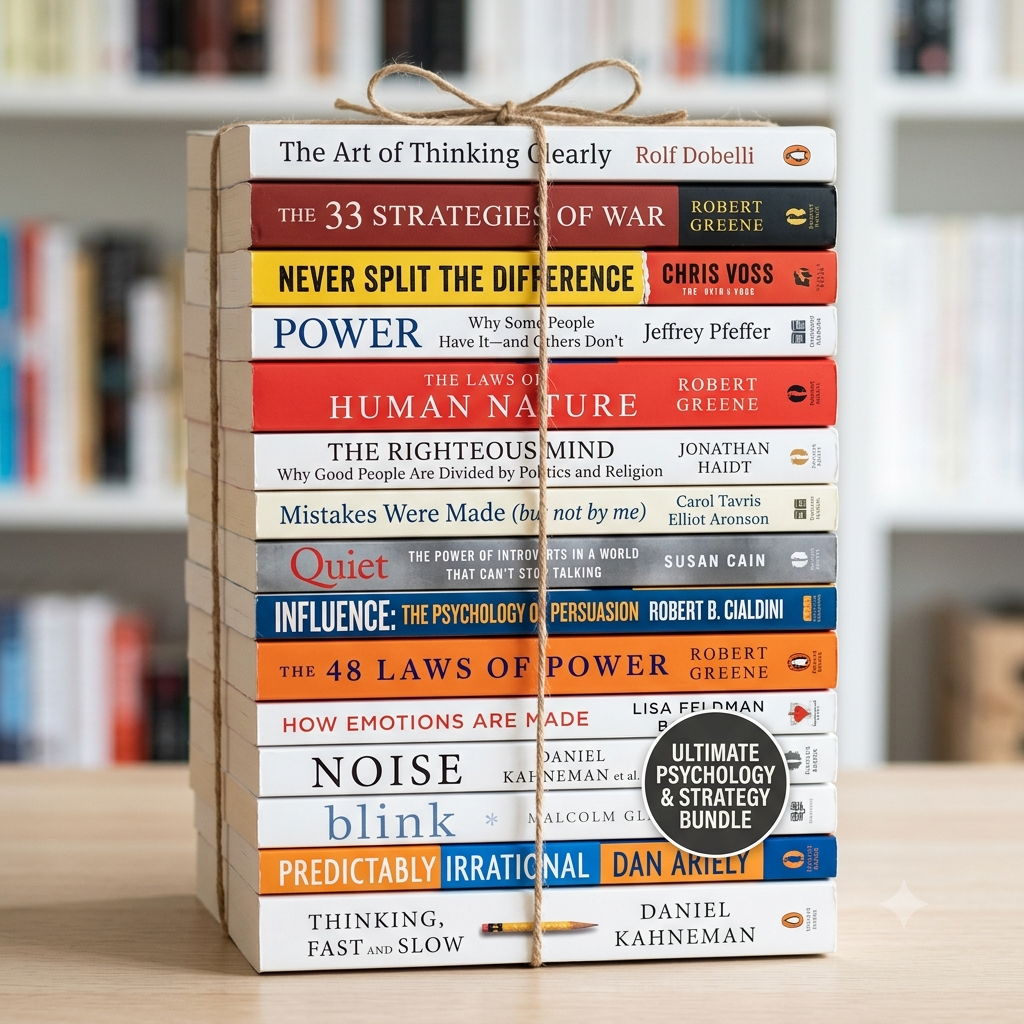
Psychology ebook bundle

psychology ebook bundle you can't miss!!!
Unlock the hidden drivers of human behavior and master the art of understanding yourself and others. This curated bundle brings together over 10+ books and each book being 150 page+ of psychological insights, from foundational theories to modern behavioral hacks, helping you navigate the complexities of the human mind with newfound clarity.
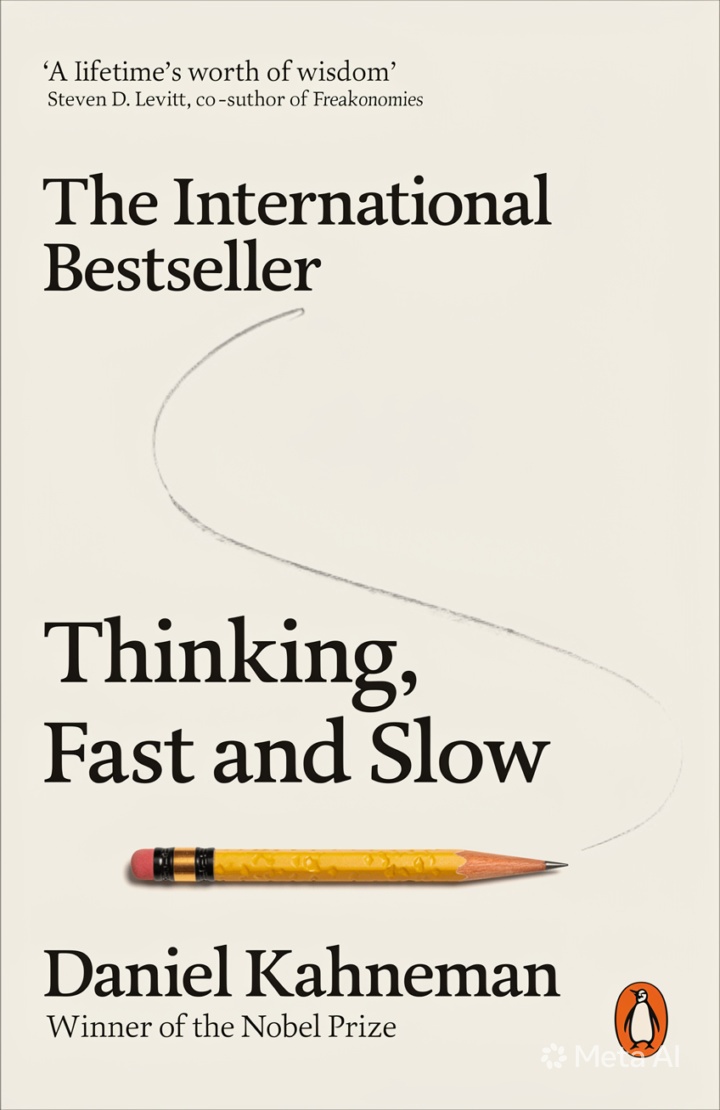
Unlock the Secrets of Your Mind with "Thinking, Fast and Slow"
Thinking, Fast and Slow by Nobel Prize winner Daniel Kahneman is an international bestseller that fundamentally changes how we understand the way we think. This is not just a book; it is a masterclass in psychology and decision-making that belongs in every library.
What is Inside the Book?
At its core, this book explores the two systems that drive the way we think: System 1 and System 2. System 1 is fast, intuitive, and emotional, acting as our automatic pilot for daily life. System 2 is slower, more deliberative, and more logical, handling the complex tasks that require focused attention. Kahneman takes readers on a journey through the interplay of these two systems, revealing how they shape our judgments, decisions, and overall perception of the world.
What You Will Learn
By diving into these pages, you will gain profound insights into your own cognitive biases and mental shortcuts. You will learn:
- How to identify when your brain is taking "shortcuts" that lead to errors in judgment.
- The psychological mechanisms behind why we make irrational choices, even when we think we are being logical.
- Practical techniques for slowing down your thinking process to make better, more informed decisions in your personal and professional life.
- How to guard against common cognitive traps that affect everything from financial planning to interpersonal relationships.
Why It’s in the Bundle for You
We have included this transformative work in our bundle because mastering your decision-making process is the ultimate competitive advantage. Whether you are looking to improve your critical thinking skills, better understand consumer behavior, or simply gain a deeper awareness of your own mental habits, this book provides the foundational knowledge to do so. Thinking, Fast and Slow is an essential resource for anyone looking to navigate the complexities of life with greater clarity, precision, and wisdom.
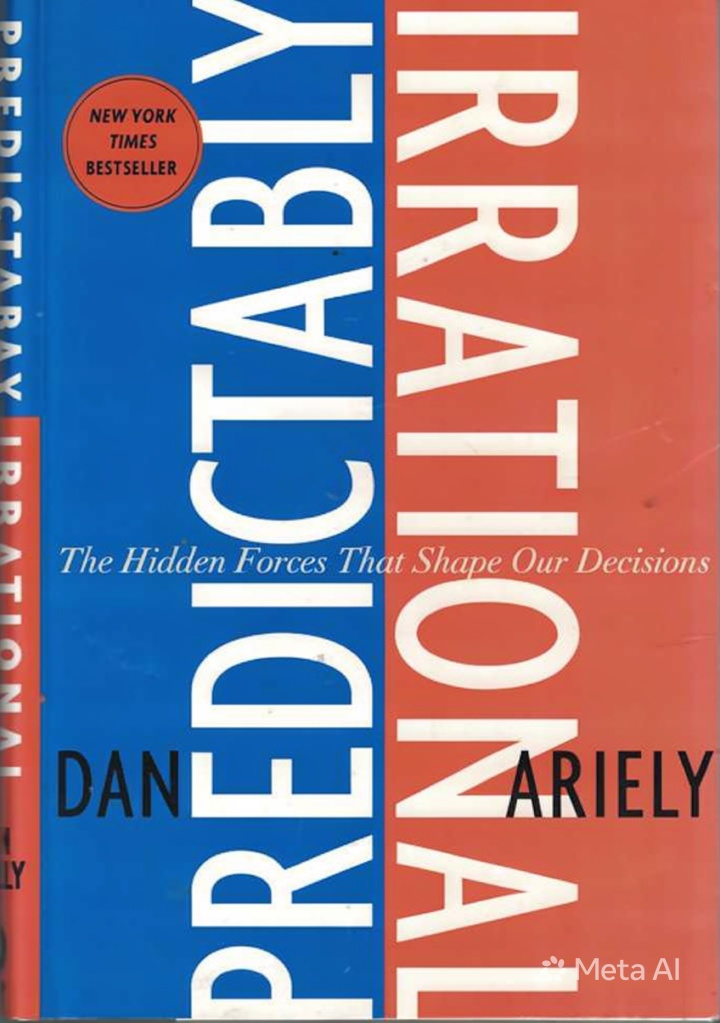
Unlock the Science of Human Behavior with Predictably Irrational
Featuring the New York Times bestseller Predictably Irrational: The Hidden Forces That Shape Our Decisions by Dan Ariely, as seen in this image, this book is a must-have for anyone looking to understand the psychology behind why we do what we do.
What’s Inside the Book
Dan Ariely challenges the common assumption that humans behave in fundamentally rational ways. Instead, he demonstrates through fascinating, real-world experiments that our decision-making is riddled with systematic errors. The book explores how emotions, social norms, expectations, and other invisible influences drive our daily choices, often leading us to act in ways that defy traditional economic logic.
What You Will Learn
By reading this book, you will gain deep insights into your own behavior and the behavior of those around you. You will learn:
- How small, seemingly irrelevant factors can have a massive impact on your decisions.
- Why "free" things often exert a powerful, irrational pull on our judgment.
- The ways in which social norms and market norms conflict and shape our interactions.
- How expectations and placebo effects can alter our perception of reality and quality.
- Why we often struggle to control our impulses and how we can better navigate our own irrationality.
Why It’s Included in This Bundle
We have included this book in our bundle because it serves as an essential manual for navigating the complexities of human interaction and choice. Whether you are looking to improve your personal decision-making, gain a competitive edge in business, or simply satisfy your curiosity about the human mind, this book provides the tools to recognize and master the hidden forces shaping your world. It is the perfect companion for anyone eager to turn subconscious patterns into conscious, informed advantages.
Why It’s Included in This Bundle
We have included this book in our bundle because it serves as an essential manual for navigating the complexities of human interaction and choice. Whether you are looking to improve your personal decision-making, gain a competitive edge in business, or simply satisfy your curiosity about the human mind, this book provides the tools to recognize and master the hidden forces shaping your world. It is the perfect companion for anyone eager to turn subconscious patterns into conscious, informed advantages.
The other list of the books in our bundle
The Art of Thinking Clearly by Rolf Dobelli: This book serves as a guide to the cognitive biases and logical errors that often lead to poor decision-making by breaking down complex thinking traps into short, easy-to-digest chapters.
The 33 Strategies of War by Robert Greene: Drawing on military history and strategic theory, this book provides tactical insights for managing conflict by adapting principles from great generals and strategists for modern personal and professional use.
Never Split the Difference by Chris Voss: Written by a former FBI hostage negotiator, this book explores high-stakes negotiation techniques, emphasizing empathetic listening and psychological tactics to achieve favorable outcomes.
Power: Why Some People Have It—and Others Don't by Jeffrey Pfeffer: This book examines organizational power dynamics and the behavioral patterns that help individuals gain influence, offering a pragmatic look at how power is actually acquired and maintained.
The Laws of Human Nature by Robert Greene: This work delves into the motivations behind human behavior, analyzing habits and patterns to help readers gain better self-control and social influence.
The Righteous Mind: Why Good People Are Divided by Politics and Religion by Jonathan Haidt: This book explores the psychological foundations of morality, arguing that judgment is often driven by intuition rather than reason to explain why people hold differing views.
Mistakes Were Made (but not by me) by Carol Tavris and Elliot Aronson: This book investigates the phenomenon of self-justification and cognitive dissonance, explaining why people struggle to admit mistakes to protect their self-image.
Quiet: The Power of Introverts in a World That Can't Stop Talking by Susan Cain: This book challenges societal bias against introverts, highlighting the unique strengths introverted individuals bring to leadership, creativity, and social interaction.
Influence: The Psychology of Persuasion by Robert B. Cialdini: A foundational text, this book details the psychological factors that make people say "yes," such as reciprocity and social proof, while explaining how to defend against these triggers.
The 48 Laws of Power by Robert Greene: Using historical examples, this book presents a set of "laws" for navigating the cutthroat nature of social and political hierarchies to gain influence and power.
How Emotions Are Made: The Secret Life of the Brain by Lisa Feldman Barrett: This book challenges traditional views of emotions, proposing that they are not innate reactions but are instead constructed by the brain based on past experiences and context.
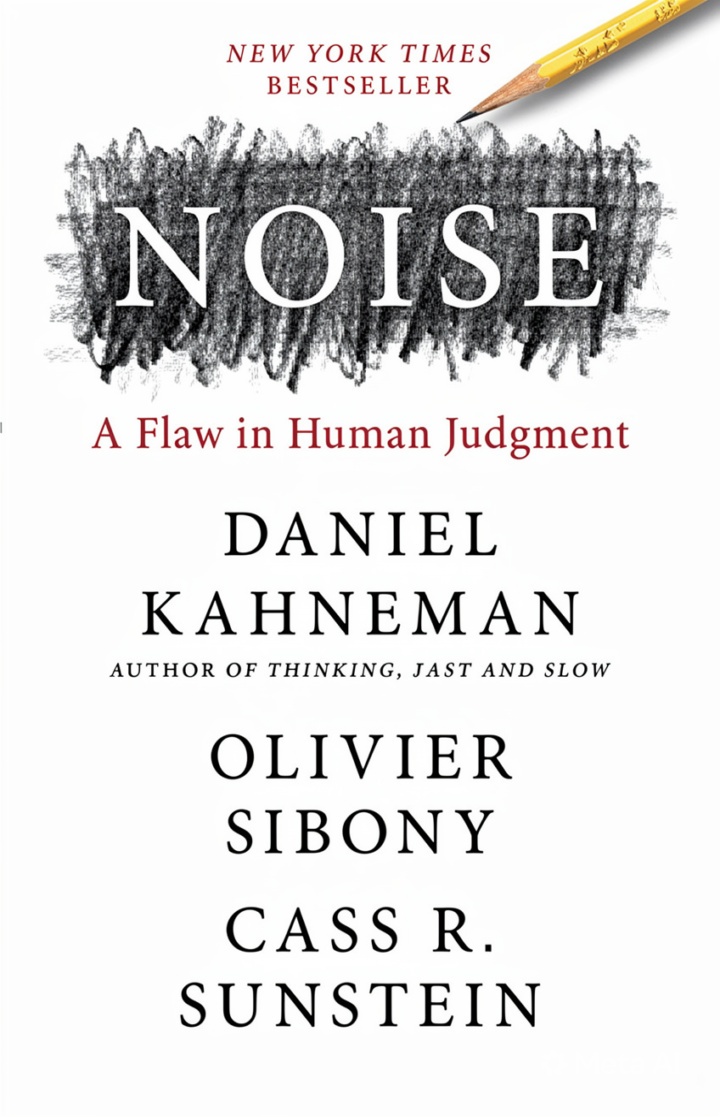
Noise: A Flaw in Human Judgment by Daniel Kahneman, Olivier Sibony, and Cass R. Sunstein: The authors explore "noise"—the unwanted variability in human judgment—and how it causes errors in professional decision-making across various fields.
Blink: The Power of Thinking Without Thinking by Malcolm Gladwell: This book examines "thin-slicing," which is the brain's ability to make rapid, intuitive decisions based on very limited information.
Predictably Irrational: The Hidden Forces That Shape Our Decisions by Dan Ariely: Using behavioral economics, this book demonstrates that while humans frequently make irrational decisions, these behaviors follow consistent and predictable patterns.
Thinking, Fast and Slow by Daniel Kahneman: A foundational work in behavioral psychology, this book describes the two systems driving thought: System 1 (fast and intuitive) and System 2 (slow and logical).