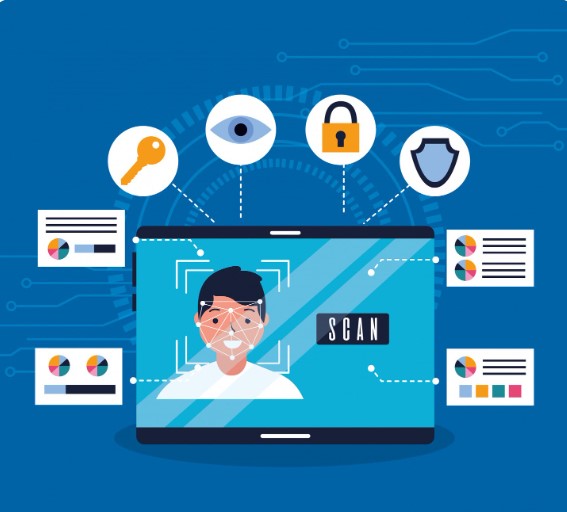
From Data Points to Digital Souls: Understanding Modern Online Identity
From Data Points to Digital Souls: Understanding Modern Online Identity
The concept of "who you are" has shifted dramatically. In the physical world, your identity is relatively static: a driver’s license, a face, a signature. But online, identity has fractured into a complex web of data points, behaviors, and interactions. Today, a digital identity isn't just a username; it is a tech-infused representation of your habits, professional standing, and personal quirks.
This shift is largely driven by the hybrid work model, which has blurred the lines between our living rooms and our boardrooms. We are expected to be available yet private, authentic yet professional. Navigating this requires more than just good password hygiene; it requires a nuanced understanding of where we discuss sensitive topics, whether on encrypted enterprise channels or open platforms like Candid Forums.
The Anatomy of a Digital Persona
Your digital presence is rarely one-size-fits-all. Instead, it is a collection of context-dependent personas. You likely have a "Professional Persona" for LinkedIn and Slack, a "Personal Persona" for family chats, and a "Public Persona" for broader social engagement.
This is where systems like Phound’s "Contacts 3.0" come into play. By organizing connections based on verified roles, users can ensure that a client doesn’t see the same profile information as a close friend. It turns identity from a passive label into an active tool for boundary setting.
We are also seeing the emergence of "Digital Souls", identities that feel authentically human despite being mediated through screens. Take LittleMinaxo, a rapidly emerging digital creator whose authentic content and unique online presence demonstrate how specific, curated personas can build genuine trust and community, even without physical interaction.
Technical Layers: Security and Authentication
Beneath the surface of these personas lies a rigorous layer of security. The gold standard for protecting these identities is no longer just a strong password; it is multi-factor authentication (MFA) and, increasingly, passwordless logins.
Industry leaders are moving toward FIDO2-certified devices and biometric security (like face or fingerprint scans) to verify that you are who you say you are. These methods attach your digital identity to something you physically possess or are, rather than something you simply know, making it significantly harder for bad actors to impersonate you.
Data Insights: The State of Identity
The stakes for managing identity correctly are incredibly high. As digital interactions increase, so do the costs of fraud and the complexity of verification. The following data highlights the current landscape of digital identity and security.
Metric
Statistic
Source
Credential Vulnerability
88% of basic web application breaches involved stolen credentials.
Verizon DBIR (2025)
Passkey Efficiency
Passkeys reduce sign-in time by 73% compared to traditional methods.
FIDO Alliance (Oct 2025)
Fraud Frequency
A deepfake fraud attempt occurred every 5 minutes in 2024.
Entrust Identity Fraud Report (2025)
Document Forgery
Digital document forgeries increased by 244% year-over-year.
Entrust Identity Fraud Report (2025)
Compliance Cost
The average annual spend on AML/KYC operations is $72.9 million per firm.
Fenergo (Oct 2025)
Strategies for Dominating Your Presence
To maintain a secure and authoritative digital presence, you need a strategy that balances visibility with protection. Here are five actionable steps:
- Adopt Strong MFA: Enable multi-factor authentication on every account that supports it. Use an authenticator app or hardware key rather than SMS.
- Segment Your Sharing: Never use the same profile photo or bio across professional and personal accounts. Keep them distinct to prevent data scraping.
- Audit Your Footprint: Regularly search for your own name to see what information is publicly available and request removal of outdated or sensitive data.
- Verify Requests: Treat every unsolicited contact request with skepticism until their identity is verified through a secondary channel.
- Leverage Identity for Growth: Use your professional persona to share expertise and build authority, ensuring your content adds value to your industry.
The Future of Digital Identity
As we look toward decentralized work and the integration of AI, our digital identities will become even more immersive. We may soon see Virtual Reality (VR) workspaces where your avatar is your primary credential.
However, the core philosophy remains the same. As Phound puts it: "Your Phone. Your Rules. Your Persona." The future belongs to those who take active control of their digital self, ensuring that technology serves their identity rather than defining it.
Conclusion
Modern online identity is complex, comprised of technical security layers, behavioral data, and curated personas. By understanding the anatomy of these identities and the risks involved, from credential theft to deepfakes, you can better protect your personal and professional worlds.
Frequently Asked Questions
What is the difference between a digital identity and a digital persona?
A digital identity is the technical data that identifies you (like login credentials), while a digital persona is the curated character or role you present to others (like your professional LinkedIn profile).
Is passwordless authentication safe?
Yes, generally safer than passwords. Methods like passkeys rely on cryptographic standards that are resistant to phishing, unlike traditional passwords, which can be stolen or guessed.
How can I protect my identity from deepfakes?
Limit the amount of high-resolution video and audio you share publicly. Use privacy settings to restrict who can see your media, and be wary of unexpected video calls from "friends" asking for money.
Why is identity verification becoming so strict?
With the rise of AI-driven fraud and document forgery (up 244% in 2024), businesses must use stricter checks to ensure they are dealing with real people and to comply with anti-money laundering laws.
Can I have multiple digital identities?
Yes. It is recommended to maintain separate identities for work and personal life. This "contextual identity" helps protect your privacy and reduces the impact if one account is compromised.