
Quantum mechine

Quantum" is an incredibly broad term in physics and computing, there isn't just one definitive textbook or ebook. However, many world-class universities and institutions hostfull accessible, legal open-access PDFs and lecture texts.
Depending on your current focus or math background, the most reputable, full-access open resources are categorized below.
1. Quantum Computing & Information
If you are looking at the intersection of
If u are buying quantum is available
 computer science and quantum physics,
  these are the gold-standard resources:
Quantum Computation and Quantum Information (Nielsen & Chuang) Known affectionately in the field as "Ike and Mike," this is universally considered the foundational textbook for anyone entering quantum computing.
Quantum Computing Lecture Notes (Jozsa / Gruska) A comprehensive, theoretical deep-dive hosted openly by Masaryk University, mapping out the algorithms, noise, and complex circuit frameworks.
2. Standard & Graduate Quantum Mechanics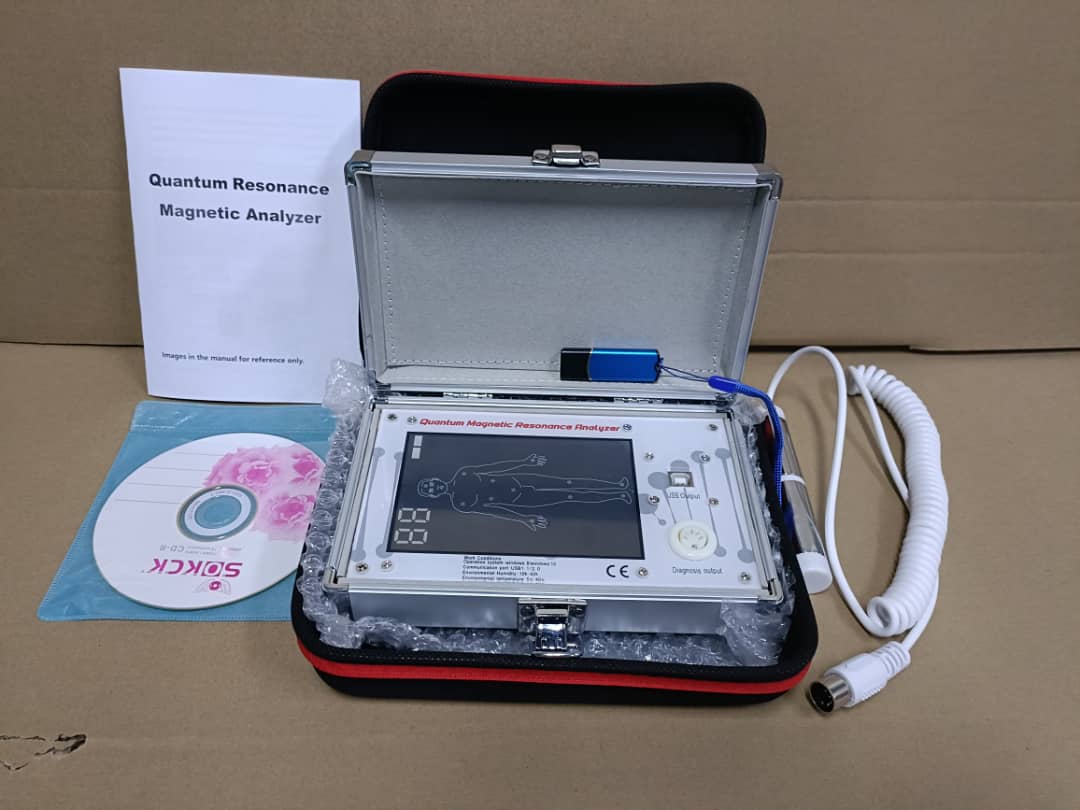
For rigorous physics tracking the mathematical behavior of atoms, waves, and particles: Cambridge University DAMTP Lecture Notes (David Tong) An exceptional, highly readable textbook-equivalent compiled by Cambridge University. It maps out everything from the chrödinger equation to angular momentum without losing the reader in dry prose. The Physics of Quantum Mechanics (Oxford University) A full-access text directly from Oxford's theoretical physics department covering bras, kets, operators, and time evolution. Modern Quantum Mechanics (J.J. Sakurai) A widely trusted graduate-level textbook that starts directly from fundamental quantum behavior rather than trying to patch over classical physics principles.
3. Conceptual Guides (Lower Math Barrier)

If you want to understand the concept of the quantum world without sifting through massive linear algebra equations: Quantum: A Guide for the Perplexed (Jim Al-Khalili) An engaging, essay-and-chapter style breakdown that untangles the "weirdness" of the physics (like Schrödinger's cat and uncertainty principles) using intuitive analogies.