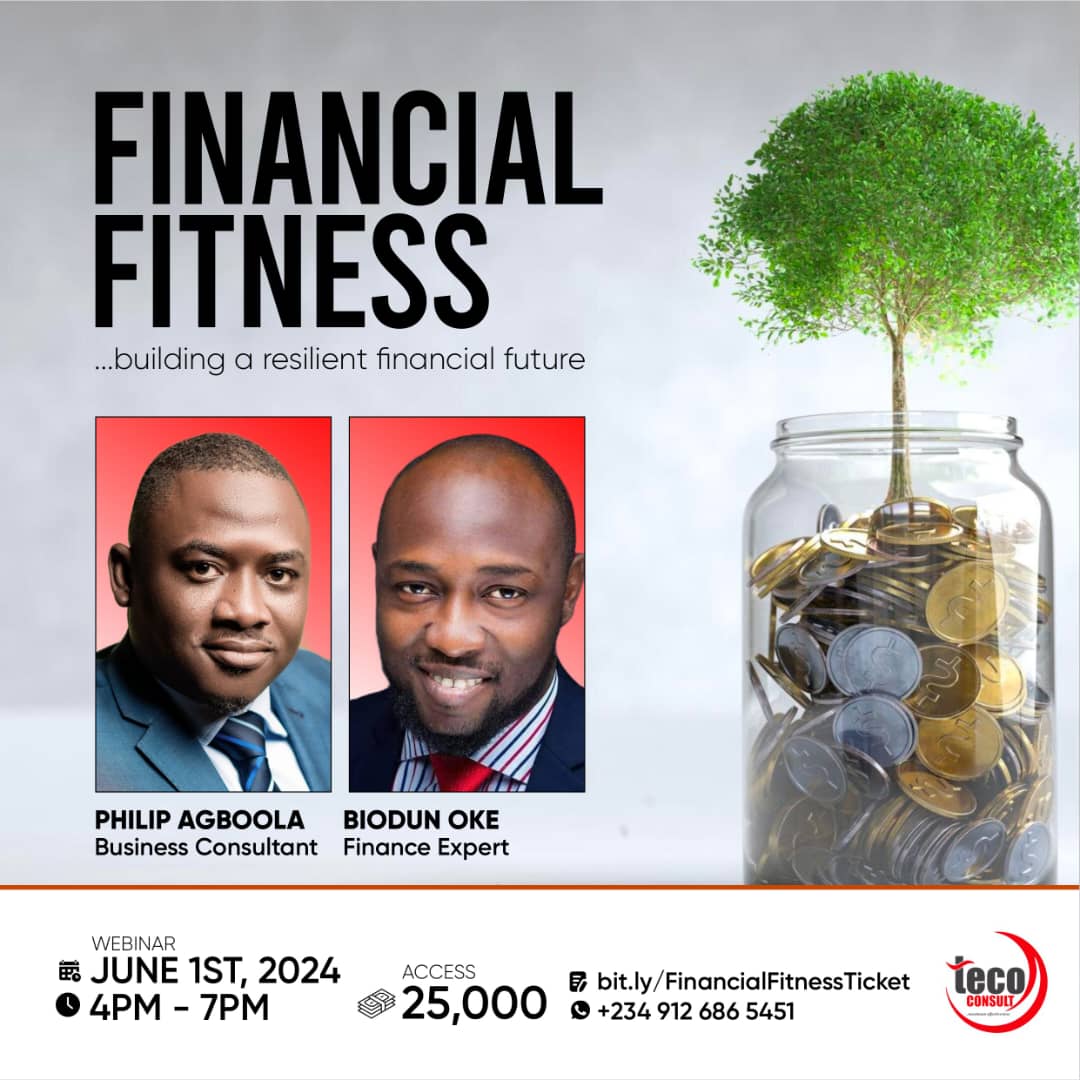
FINANCIAL FITNESS
FINANCIAL FITNESS CURRICULUM
…building a resilient financial future.
A. MODULE 2: INTRODUCTION TO FINANCIAL FITNESS
1. Understanding Financial Fitness
- Definition and importance
- Key components of financial health
2. Personal Financial Goals
- Setting short-term, mid-term, and long-term goals
- SMART goals framework
B. MODULE 2: BUDGETING AND SAVING
1. Budgeting Basics
- Importance of a budget
- Types of budgets
2. Creating a Budget
- Income tracking
- Expense categorization
3. Saving Strategies
- Emergency funds
- Savings accounts and interest rates
- Automatic savings plans
C: MODULE 3: MANAGING DEBT
1. Types of Debt
- Good debt vs. bad debt
- Secured vs. unsecured debt
2. Debt Repayment Strategies*
- Snowball vs. avalanche methods
- Debt consolidation
- Negotiating with creditors
3. Avoiding Debt
- Living within means
- Understanding loan terms
D: MODULE 4: INVESTING BASICS
1. Introduction to Investing
- Why invest?
- Risk vs. reward
2. Investment Vehicles
- Stocks, bonds, and mutual funds
- Real estate
- Retirement accounts
3. Creating an Investment Plan
- Diversification
- Long-term vs. short-term investments
- Understanding fees and taxes
E. MODULE 5: CREDIT MANAGEMENT
1. Understanding Credit Scores
- Factors affecting credit scores
- How to check your credit score
2. Improving and Maintaining Credit
- Timely bill payments
- Credit utilization ratio
- Disputing errors on credit reports
3. Responsible Credit Use
- Choosing the right credit card
- Credit card rewards and pitfalls
- Managing credit limits
F: MODULE 6: TAX PLANNING
1. Basics of Taxation
- Types of taxes (income, property, sales)
- How taxes are calculated
2. Tax Filing and Deductions
- Tax forms and deadlines
- Common deductions and credits
- Using tax software vs. hiring a professional
3. Tax Planning Strategies.
G: MODULE 7: RETIREMENT PLANNING
1. Importance of Retirement Planning
- Starting early vs. catching up
- Retirement goals and lifestyle
2. Creating a Retirement Plan
- Estimating retirement expenses
- Calculating retirement savings needs
- Withdrawal strategies
H: MODULE 8: INSURANCE AND RISK MANAGEMENT
1. Understanding Insurance
- Types of insurance (health, life, disability, property)
- Importance of insurance in financial planning
2. Choosing the Right Insurance
- Evaluating coverage needs
- Comparing policies and premiums
3. Risk Management Strategies
- Emergency funds
- Diversification of assets
I: MODULE 9: FINANCIAL DECISION-MAKING
1. Financial Ethics and Decision-Making
- Ethical considerations in finance
- Making informed financial decisions
2. Dealing with Financial Stress
- Recognizing financial stress
- Strategies for managing stress
3. Financial Independence
- Pathways to financial independence
- Building multiple income streams
J: MODULE 10: CONTINUOUS FINANCIAL IMPROVEMENT
1. Staying Financially Fit
- Regular financial check-ups
- Adjusting financial goals
2. Resources for Ongoing Learning
- Financial books
- Online courses and seminars
3. Community and Support Systems
- Finding a financial mentor
- Joining financial fitness groups
K: ASSESSMENT AND CERTIFICATION
- Final Assessment
- Practical budgeting exercise
- Investment plan proposal
- Debt repayment strategy case study
- Certification of Completion
L: Additional Resources
- Recommended Reading List
- Useful Tools
This curriculum aims to equip individuals with the knowledge and skills necessary to achieve and maintain financial fitness, fostering a foundation for a secure and prosperous financial future.