Downloadable
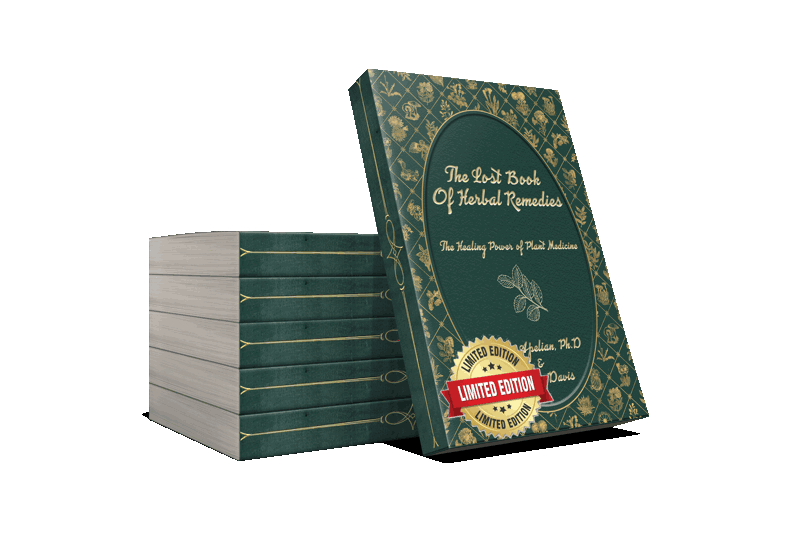
The Lost Book of Herbal Remedies
(0 Ratings)
1
$37.00
THE POWER OF HERBAL MEDICINE
DETAILED SECRET THE BIG PHARMA DOESN'T WANT YOU TO KNOW
Here's just a glimpse of what you'll find in The Lost Book of Herbal Remedies:
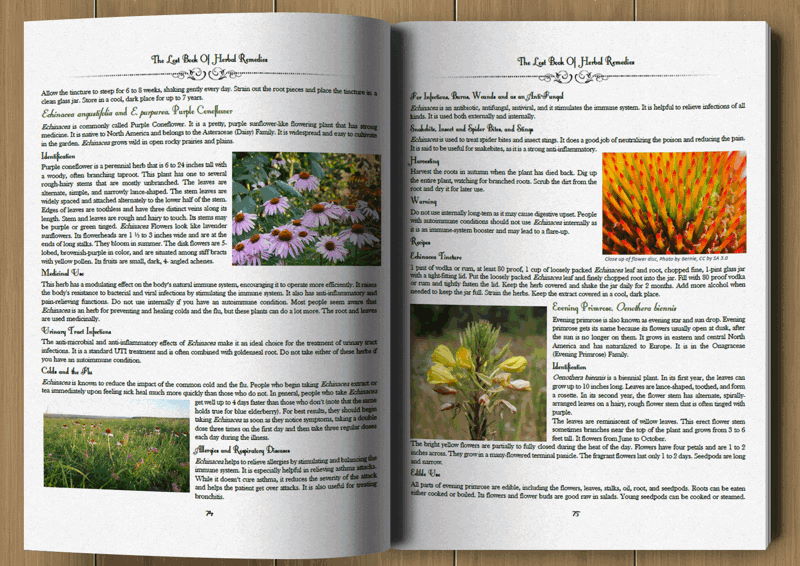
There are two distinct ways to search through the book.
First, you'll be able to easily flip through the book looking for a specific plant or find out what plants are growing in your area.
Each plant has between 2 and 4 high-quality color pictures and detailed identification instructions, so anybody can use it as a field guide in their backyard or whenever they go out foraging
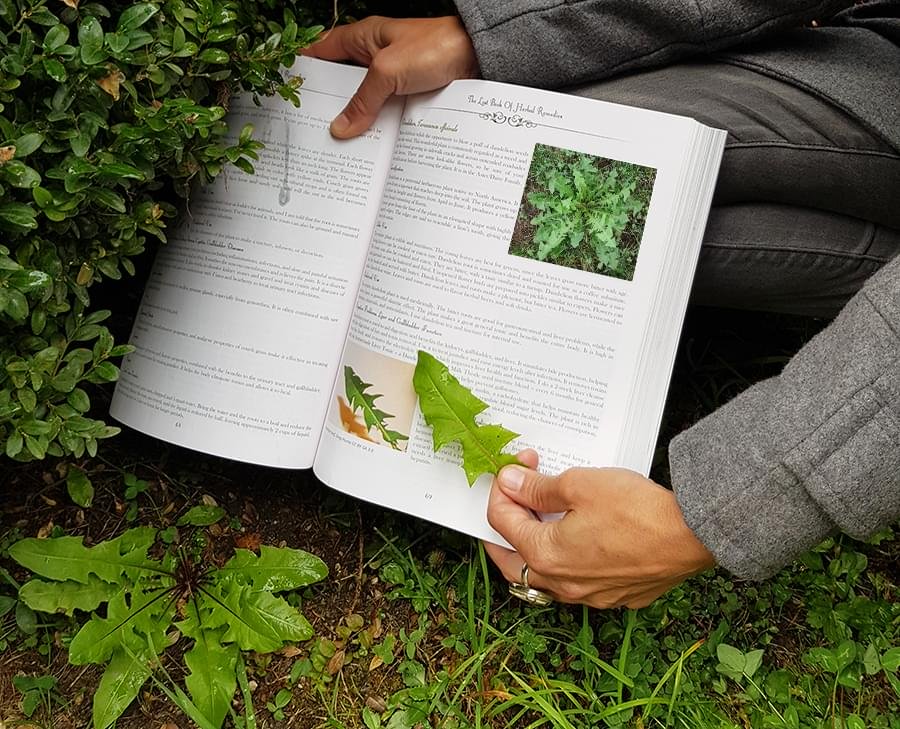
The second index of the book makes it easy to search by your specific problems, ailments, or needs.
These are just some of the reasons why this book is a near-perfect guide for beginners, seasoned herbalists, or even people with no plant experience at all.
On Page 144
The "Pain-Relieving Plant" That Grows in Most Backyards
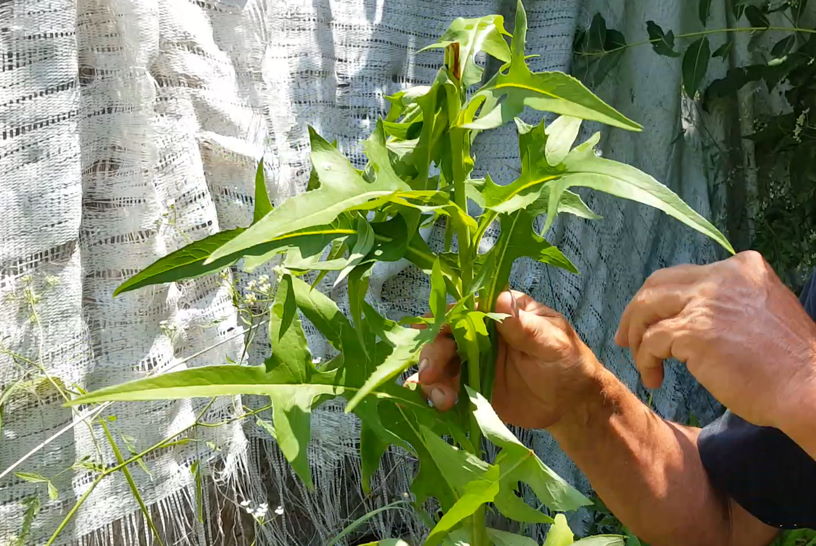
For example, this is one of the plants you'll find in The Lost Book of Herbal Remedies. If it looks familiar that's because it grows in most backyards, and most people weed it out. But what they probably don't know is that this plant contains a milky substance called lactucarium which acts directly on the central nervous system (CNS) to lessen the feeling of pain.
Inside the book, you'll find full instructions on how to turn it into an extract that you can use whenever you are in need.
On Page 149
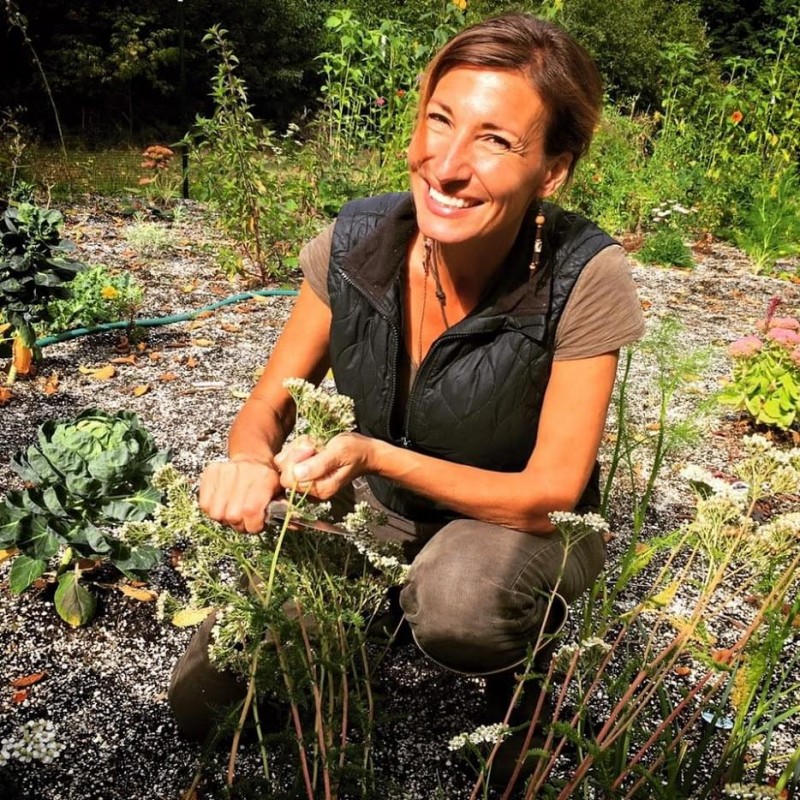
Yarrow and Usnea - The Perfect Mix
On day 42 of the Alone show I accidentally hurt my knuckle while gutting a fish. The wound would most likely have gotten infected.
Luckily, I found Yarrow, which quickly stopped my bleeding. And, most importantly I found Usnea, which is a plant used for infections. You've probably seen it growing on tree trunks.
I dressed my wound for 3 days with these and now you can barely see the scar anymore.
On Page 53
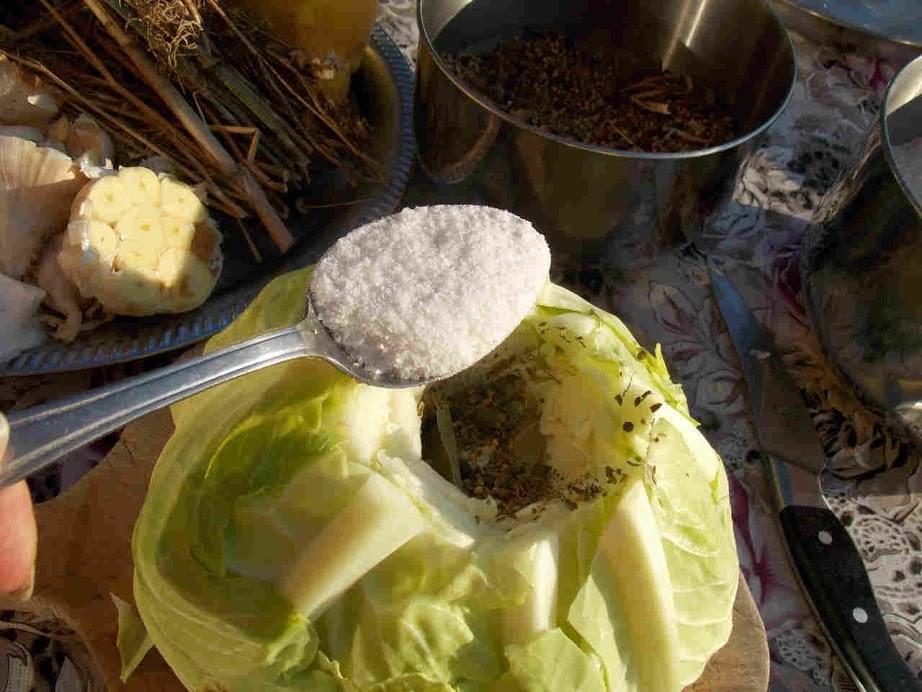
What Happens When You Pour Salt into a Cabbage
On page 55, you'll find out the interesting thing that happens when you pour salt into a cabbage.
The end result you'll get by fermentation - called Sauerkraut - is full of probiotics that protect your digestive tract, regulating bowel movements and in many cases preventing both diarrhea and constipation.
On Page 68
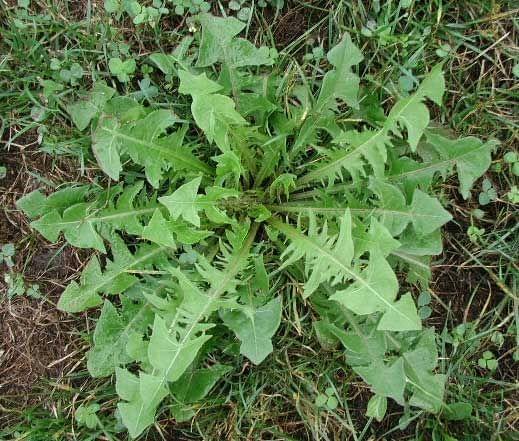
The Plant You Should Add To Your Salads for Erratic Sugar Levels
Chances are you've come across this plant growing in sidewalk cracks, but probably not in a salad. It may look like Arugula, but it's not. In fact, it's much more nutritious and it also contains an essential trace mineral called Chromium that helps the pancreas.
Chromium is extremely rare nowadays because of the food processing methods that remove most of the naturally occurring chromium from foods. Maybe this is one of the reasons why so many afflictions are so common today, but 100 years ago they rarely affected our forefathers.
On Page 147
The Backyard Bandage That Soldiers Used In World War 2
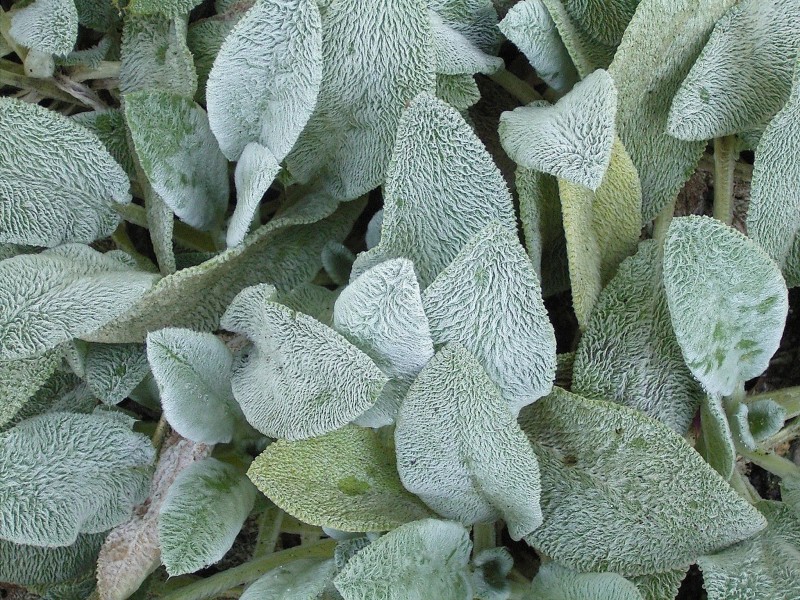
Another plant you'll find inside is called Wooly Lamb's Ear. Also known as "backyard bandage", this plant has been used for centuries on battlefields to stop bleeding.
It's been recently discovered it's high in Vitamin K, the vitamin that coagulates the blood.
It is the same powdered vitamin that we gave our soldiers in WWII to pour over their wounds.
On Page 268, 270, and 272
The Three Tinctures That I Use To Manage My Condition (MS)
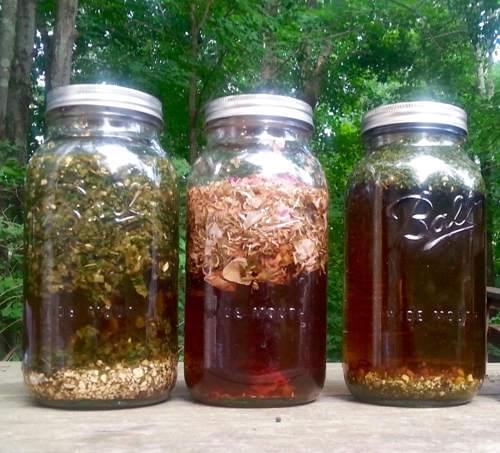
Of course, in the book, you'll also discover the 3 herbal tinctures I'm using to manage my MS.
One of the tinctures that I'm taking daily is an Adaptogen. That means it decreases biological and oxidative stress, fighting inflammation and repairing damaged tissue.
The other 2 tinctures that I take have an Immunomodulatory effect. That means they bring my body back to balance. If the immune system is hyperactive, they downregulate it, but only until the inflammation subsides.
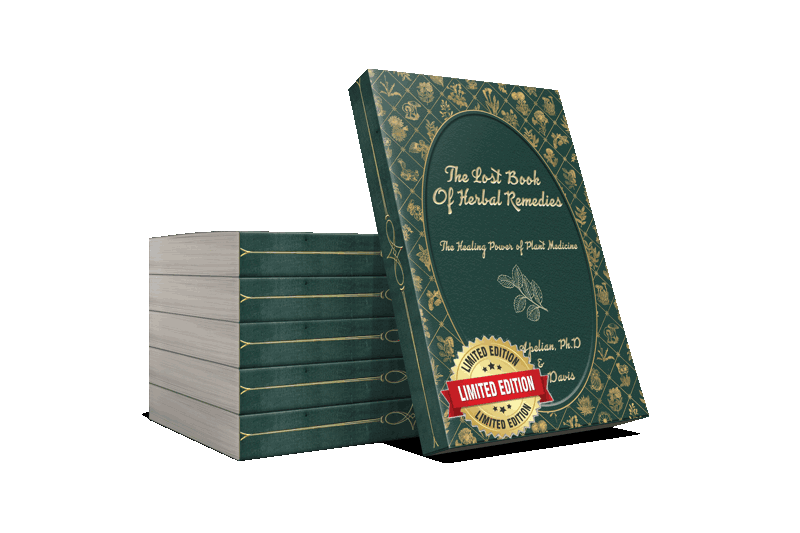
The Lost Book of Herbal Remedies contains 800+ plants and remedies made from them.
Now you can find all you need to know about medicinal plants in one book.
The Lost Book of Herbal Remedies will also become your field guide. With it you can identify the beneficial plants growing around your house or when you go out foraging.
Just scroll down, and click on the button below to get your own copy.

About Nicole Apelian, Ph.D
Dr. Nicole Apelian is an herbalist, a mother, a survival skills instructor, and a biologist.
She graduated with a degree in Biology from McGill University in Canada and has her Master's degree in Ecology from the University of Oregon.
She earned her Doctorate through Prescott College while working as an anthropologist and ethnobotanist in Botswana.