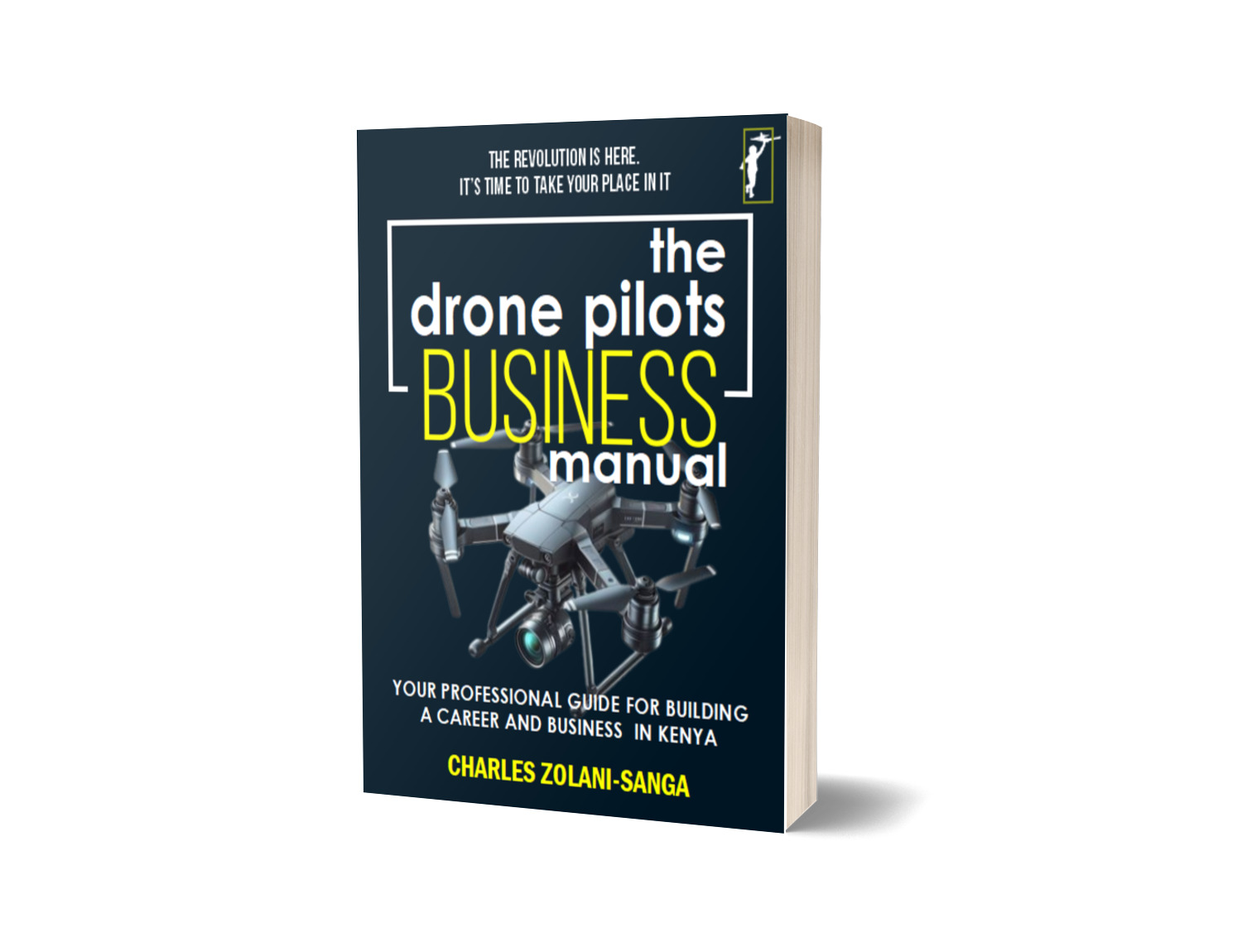
The Kenyan Drone Handbook
Why This Book Now?
The sky over Kenya is no longer the sole domain of birds and commercial aircraft. A quiet, buzzing revolution is underway. From the lush tea plantations of Kericho to the construction sites of Nairobi’s ever-changing skyline, from the breathtaking vistas of the Maasai Mara captured in stunning 4K to the precision-sprayed fields in the Rift Valley, Remotely Piloted Aircraft Systems (RPAS),or drones, are transforming how we work, create, and see our world.
The potential is staggering. In agriculture, drones are boosting yields and saving water. In conservation, they are monitoring wildlife and tracking poachers. In business, they are providing unprecedented perspectives for real estate, tourism, and infrastructure. And in the hands of hobbyists, they are unlocking new forms of artistic expression and adventure. Kenya stands at the precipice of an aerial technology boom, poised to become a leader in Africa’s drone ecosystem.
But there’s a gap, a wide one ,between potential and practice.
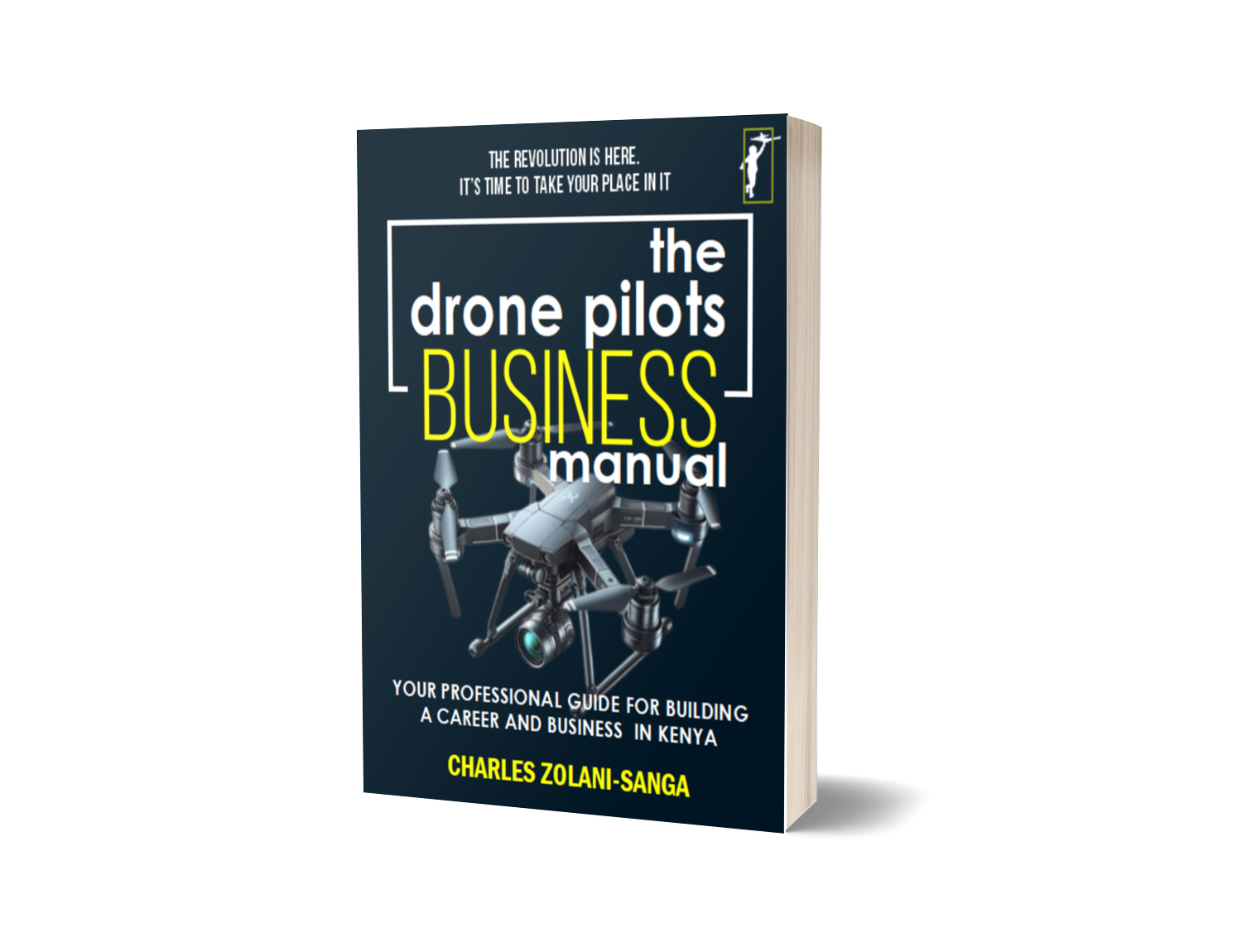
If you’re holding this book, you likely feel the excitement of this technology but are met with a maze of unanswered questions:
- · “I bought a drone, but can I just fly it? What are the rules?”
- · “The KCAA license process seems complex and expensive. Is it worth it?”
- · “I’m a photographer/farmer/engineer. How do I actually use a drone in my work?”
- · “I got my license… now what? Where are the jobs?”
- · “Can I really build a business out of this, or is it just a side hustle?”
This uncertainty is the greatest barrier to our national progress in this field. Misinformation is rampant. Many fly illegally, risking heavy penalties and endangering airspace safety. Many more never start, fearing the regulatory and financial unknowns. Passionate individuals obtain their Remote Pilot Certificates only to find themselves with a shiny license and no clear roadmap to a livelihood. Entrepreneurs with brilliant ideas for drone services don’t know how to structure, price, or market them.
This book is the bridge.