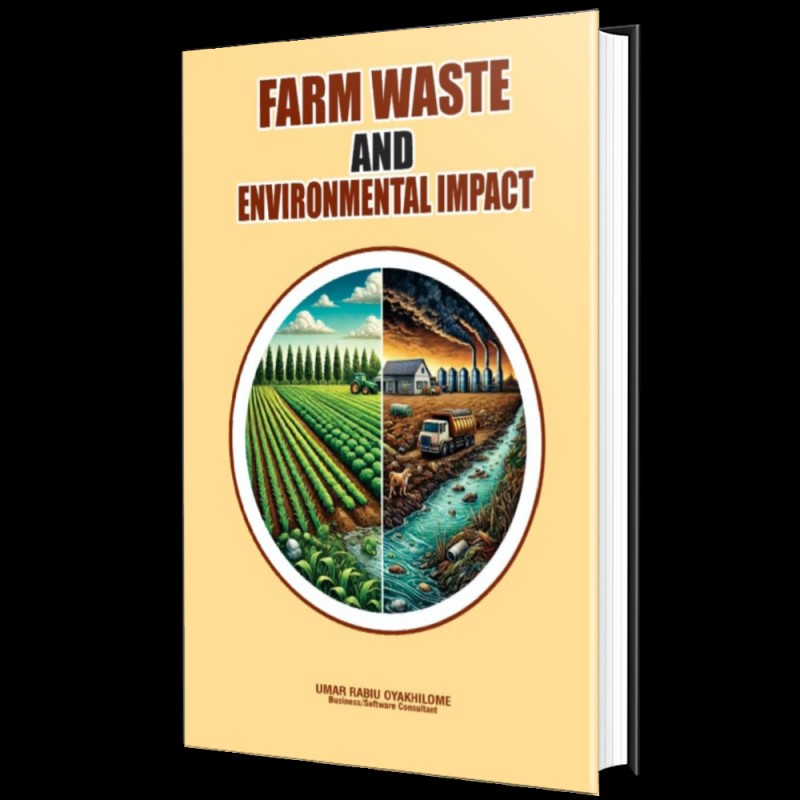
FARM WASTE AND ENVIRONMENTAL IMPACT: Effective Management Strategies
Agriculture, as a cornerstone of human sustenance, plays a pivotal role in feeding the world's population and driving economic development. However, its contributions come with significant environmental challenges, particularly concerning the management of farm waste. Farm waste, ranging from crop residues and animal manure to agricultural plastics and packaging materials, often presents a dual-edged sword. While it is a byproduct of essential agricultural activities, its mismanagement can lead to far-reaching environmental consequences.
The environmental impact of improperly handled farm waste includes soil degradation, water contamination, and air pollution, contributing to climate change and threatening biodiversity. These issues are particularly pronounced in regions where agricultural practices dominate the economy but lack sufficient waste management infrastructure. Addressing these challenges requires innovative, practical, and scalable solutions.
This book, Farm Waste and Environmental Impact: Effective Management Strategies, aims to bridge the gap between traditional farming practices and modern environmental sustainability. It explores effective management strategies that not only mitigate the adverse effects of farm waste but also unlock its potential as a valuable resource. Through the implementation of these strategies, farmers can convert waste into compost, bioenergy, and other useful products, promoting a circular economy in agriculture.
The chapters of this book delve into various aspects of farm waste management, including waste characterization, environmental impacts, and best practices. It also highlights case studies and success stories from around the world, showcasing how innovative solutions have transformed agricultural waste management into an opportunity for sustainable growth.
This work is intended for farmers, policymakers, environmentalists, researchers, and anyone passionate about fostering a sustainable future. By equipping readers with the knowledge and tools to manage farm waste effectively, it seeks to inspire action toward building a harmonious relationship between agriculture and the environment.
Let this book serve as a guide and a call to action to turn agricultural waste challenges into opportunities for a cleaner, healthier, and more sustainable world.