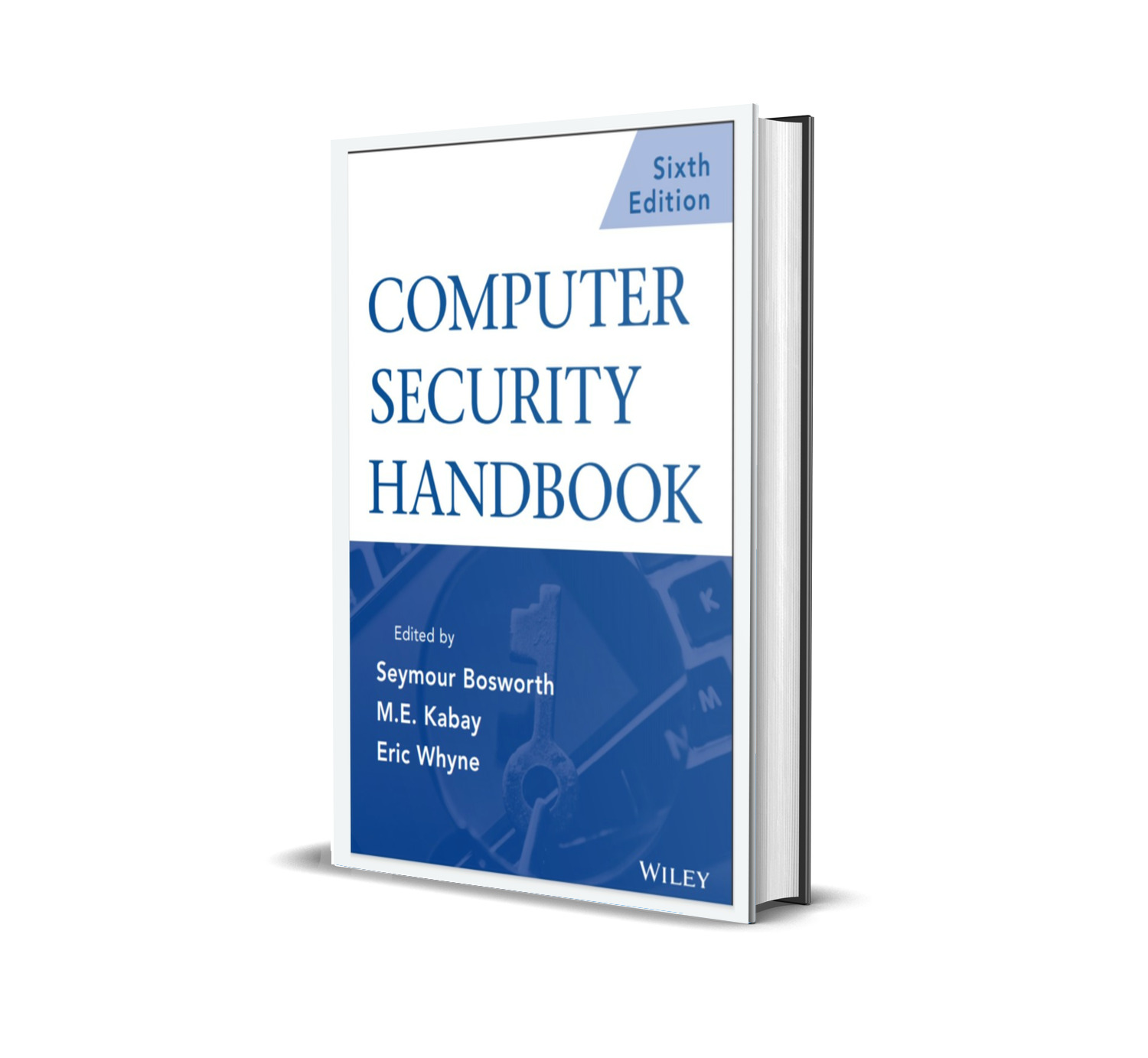
COMPUTER SECURITY FULL COURSE

Computers are an integral part of our economic, social, professional, governmental,
and military infrastructures. They have become necessities in virtually every area of
modern life, but their vulnerability is of increasing concern. Computer-based systems are constantly under threats of inadvertent error and acts of nature, as well as those attributable to unethical, immoral, and criminal activities. It is the purpose of The Com-puter Security Handbook to provide guidance in recognizing these threats, eliminating them where possible and, if not, then reducing any losses attributable to them.
The Handbook will be most valuable to those directly responsible for computer,
network, or information security, as well as those who must design, install, and main-
tain secure systems. It will be equally important to those managers whose operating functions can be affected by breaches in security and to those executives who are responsible for protecting the assets that have been entrusted to them.
With the advent of desktop, laptop, and handheld computers, and with the vast inter-
national networks that interconnect them, the nature and extent of threats to computer
security have grown almost beyond measure. In order to encompass this unprecedented
expansion, The Computer Security Handbook has grown apace.
When the first edition of the Handbook was published, its entire focus was on main-
frame computers, the only type then in widespread use. The second edition recognized the advent of small computers, while the third edition placed increased emphasis on PCs and networks.
WhatsApp Number: +2349065708537 Legacy Tech Influencers