Featured Products
AI Governance: A Necessity and Imperative
About BookThe potentially transformative impact of AI on humans and society underscores the need for this book, to contextualize and address public concerns about its potential risks and benefits. The book delves into:1. The history of AI from automatons like Talos, the bronze giant killer-robot in Greek mythology, to the ingenious inventions of the Alexandrian Engineers, and Leonardo da Vinci’s robot knight, to Turing’s WWII code breaking machines and Weizenbaum’s ELIZA in the 1960s;2. Global and regional strategies and frameworks for AI governance, which include: the OECD AI Principles; UNESCO Recommendation on the Ethics of AI; NIST AI RMF; ISO 42001; and the EU AI Act;3. National efforts (laws, policies and AI readiness rating) of the US, UK, Canada, China, India, Japan, Singapore, Brazil, Chile, Colombia, Egypt, Kenya, Nigeria, South Africa, Saudi Arabia, UAE, Australia, and New Zealand;4. AI challenges and emerging trends, like: Agentic AI, AI Hallucinations, Algorithmic bias, Black box problem, Data problem, AI in Healthcare, AI and Law Practice, AI Literacy, AI Red Teaming, and TESCREALism; and5. AI adoption/readiness strategies, governance framework and tips for organizations.The book is intended to deepen understanding of AI actors and AI stakeholders, including policymakers, AI consumers and general readers.About AuthorAlex Wodi is a lawyer and a certified AI governance, cybersecurity and data privacy professional. He has a background in banking and commercial law, regulatory compliance, international law, and comparative law. He is also a chartered arbitrator, mediator, and conciliator. He has written many scholarly articles and is the author of Garnishment Law and Practice in Nigeria, UK, and US (Amazon, and Barnes & Noble, 2023) ISBN 9798987288306 and The Most Expensive Real Estate and Other Works: An Anthology of Essays, Poems and Artworks on the Cusp of a Pandemic (Amazon, 2021) ISBN 9798706781880.
$20$25
View Details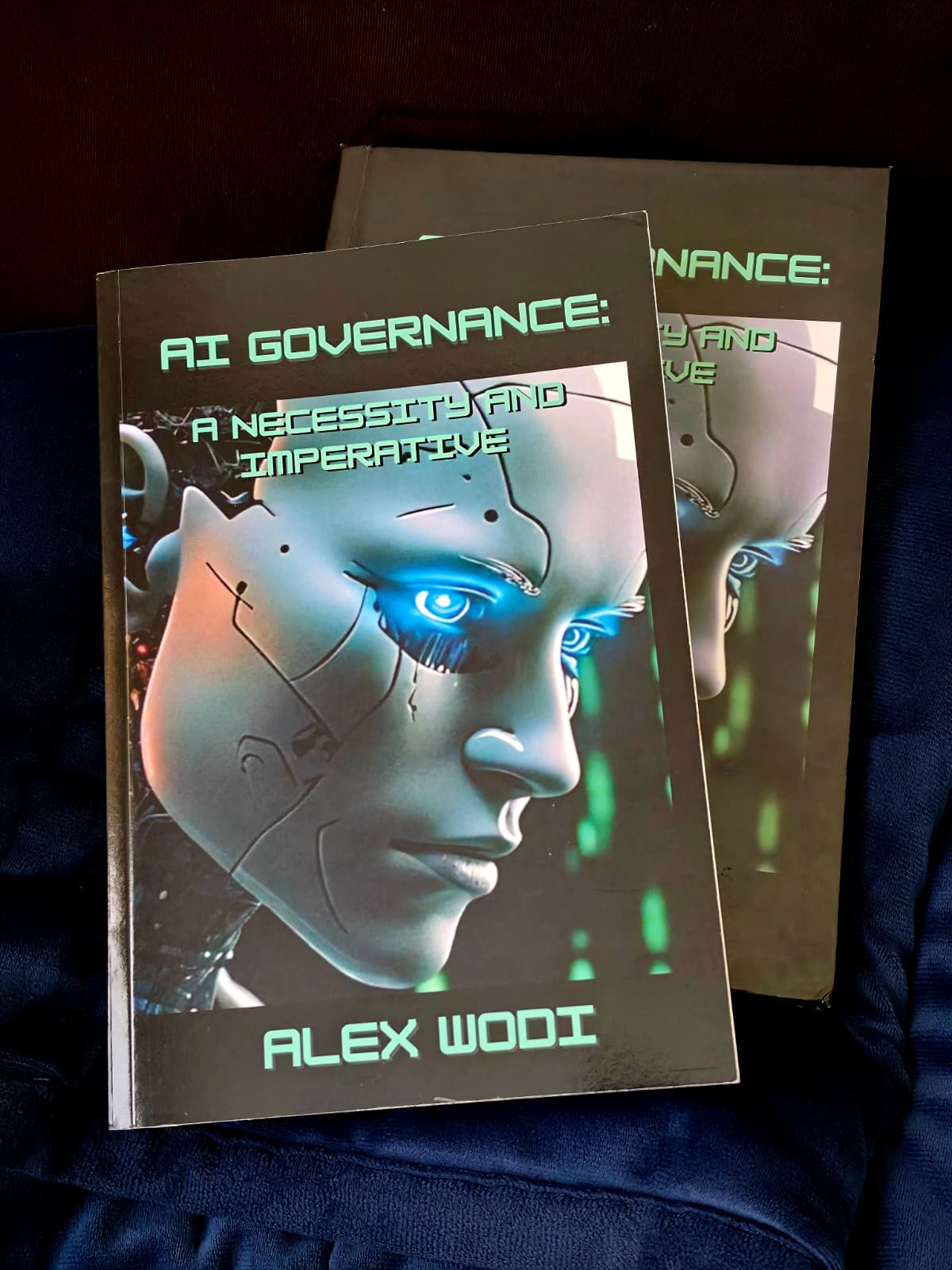
Garnishment Law and Practice in Nigeria, UK, and US
About BookThis book is the first of its kind and the most comprehensive comparative analysis of Garnishment law and practice in Nigeria, UK, and U.S. It treats age old questions and contemporary issues like: 1. When is a debt due or accruing? What are Attachable Debts and Funds? Service; and Proper parties; The Supreme Court decision in CBN v. Interstella and the controversy around who is a public officer and the constitutionality of Attorney General's Consent under section 84 of the Sheriffs and Civil Process Act.2. Interim and Final Third-Party Debt Orders (TPDO) under CPR Part 72, UK; The attachment of crypto assets via TPDOs in the Ion’s case and new developments in the UK; 3. Wage Garnishment under Title 28 USC 3205 as well as Wage Garnishment Laws of the various States in the U.S. What are the duties of a debtor and the employer upon receipt of a writ of wage garnishment? What are the attachment limits on non-exempt disposable earnings and the protections under Federal and State law? and 4. The place of Sovereign Immunity and Jurisdiction in the enforcement of international commercial arbitration awards against states? Lessons learnt from the recent P&ID v Nigeria cases instituted in Nigeria, UK, and U.S. The book is presented with clarity of expression and academic rigour citing recent cases, scholarly works, and experiences from the author’s legal career to provide useful context, insight, and instruction. The book is a valuable resource for students, lawyers, scholars, and general readers.About AuthorAlex Wodi is a lawyer and a certified AI governance, cybersecurity and data privacy professional. He has a background in banking and commercial law, regulatory compliance, international law, and comparative law. He is also a chartered arbitrator, mediator, and conciliator. He has written many scholarly papers and is the author of AI Governance: A Necessity and Imperative (Amazon and Barnes & Noble, 2025) ISBN 9798987288320, and The Most Expensive Real Estate and Other Works: An Anthology of Essays, Poems and Artworks on the Cusp of a Pandemic (Amazon, 2021) ISBN 9798706781880.
$25$30
View Details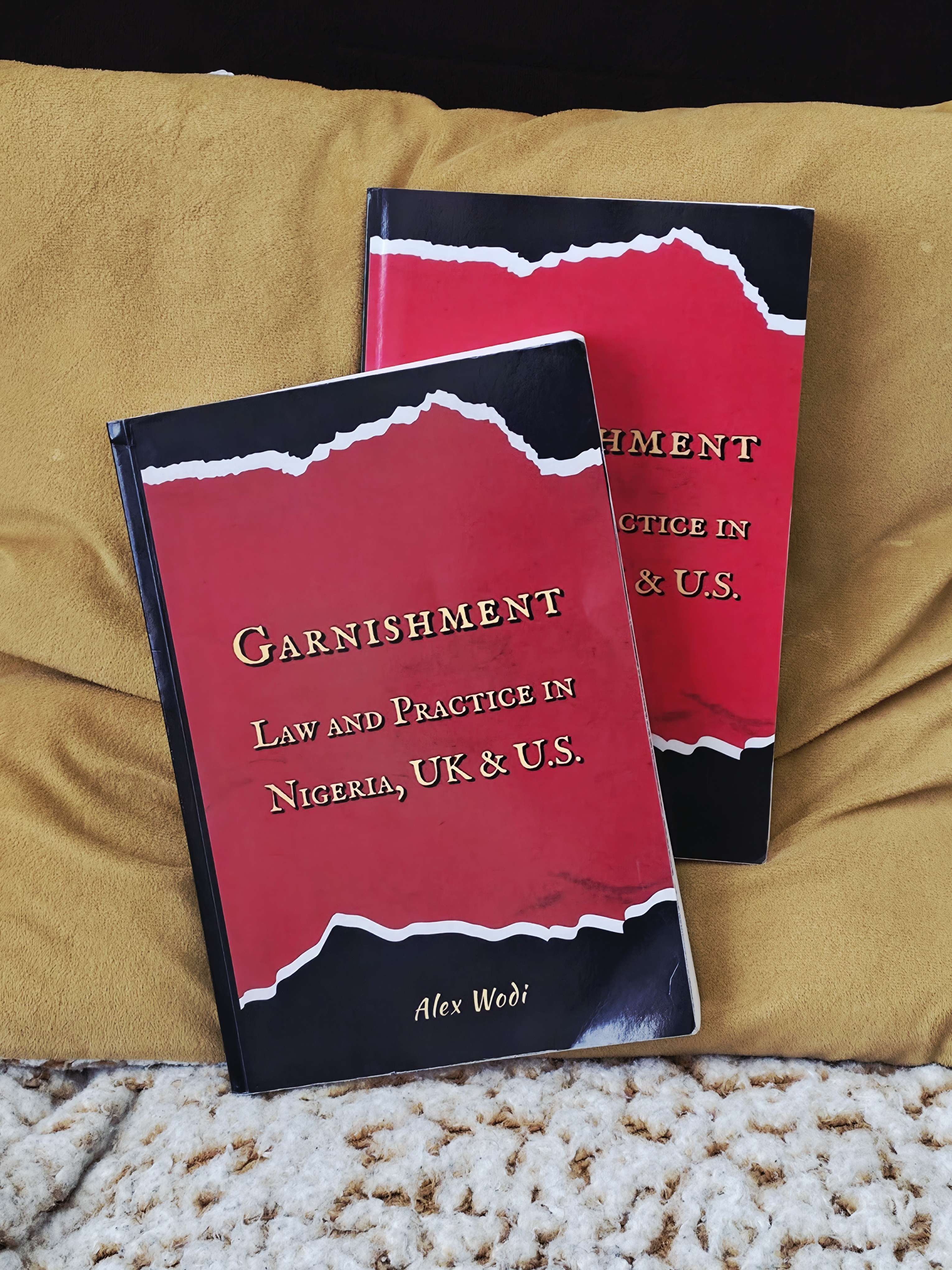
The Most Expensive Real Estate and Other Works: An Anthology of Essays, Poems, and Artworks on the Cusp of a Pandemic
The Most Expensive Real Estate and Other Works is a rich anthology of essays, poems, and artworks that captures the emotional, social, and cultural turbulence of recent years. Written during the pandemic, it reflects the author’s diverse learning and heterogeneous interests, weaving together themes that define our shared human experience.Inside, readers will find thoughtful explorations of motherhood, nature, climate change, COVID‑19, police brutality, #EndSARS, remote work, bad governance, travel, tourism, and more. Each piece presents a unique lens on the human condition — vivid, eclectic, honest, and deeply resonant. The anthology moves between personal reflection, social commentary, artistic expression, and philosophical inquiry, offering readers a multidimensional experience.If you’re drawn to writing that blends reflection, analysis, and lived experience, this e‑book belongs in your digital library.A compelling read for anyone seeking meaning, context, and connection in uncertain times.
$10$12
View Details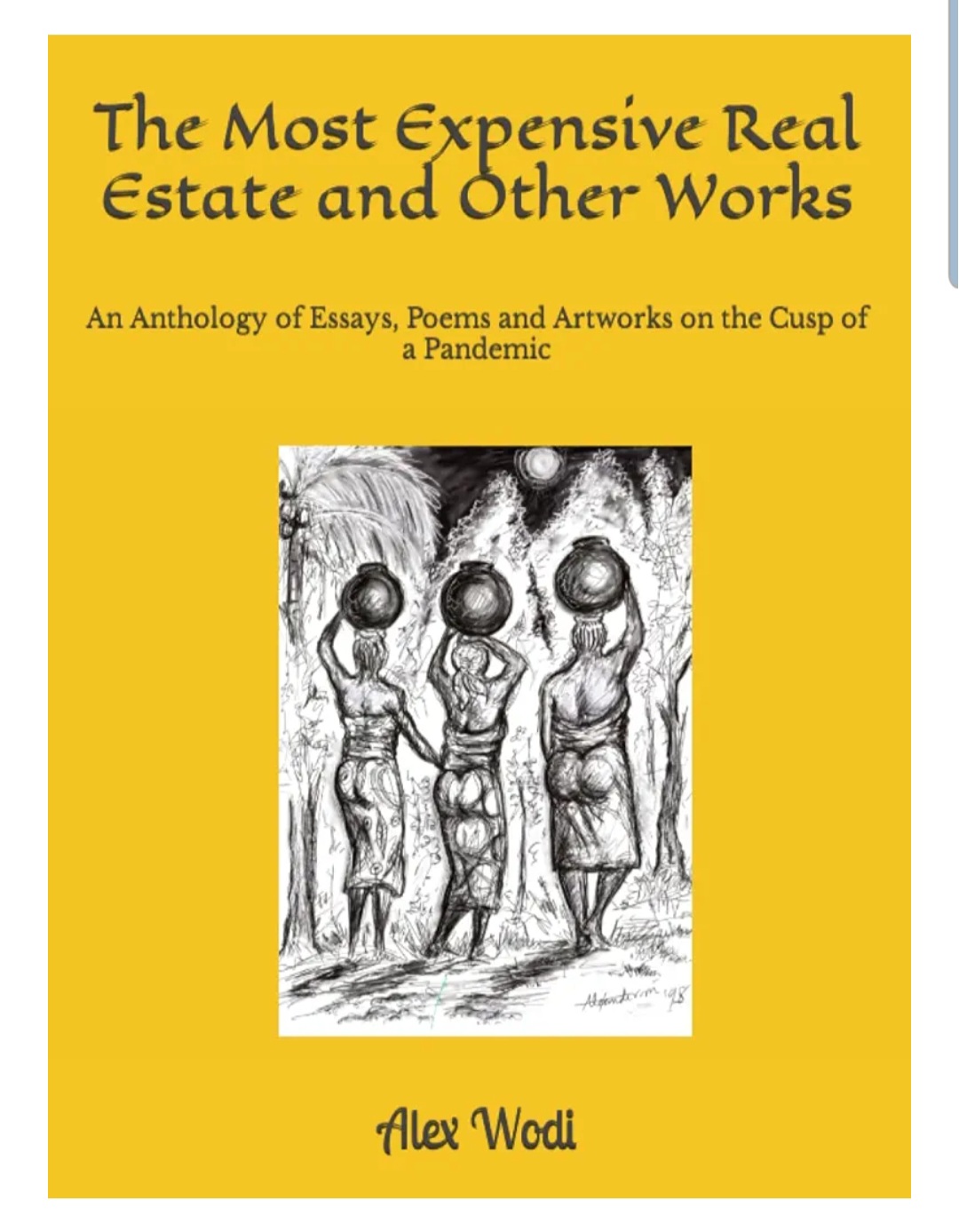
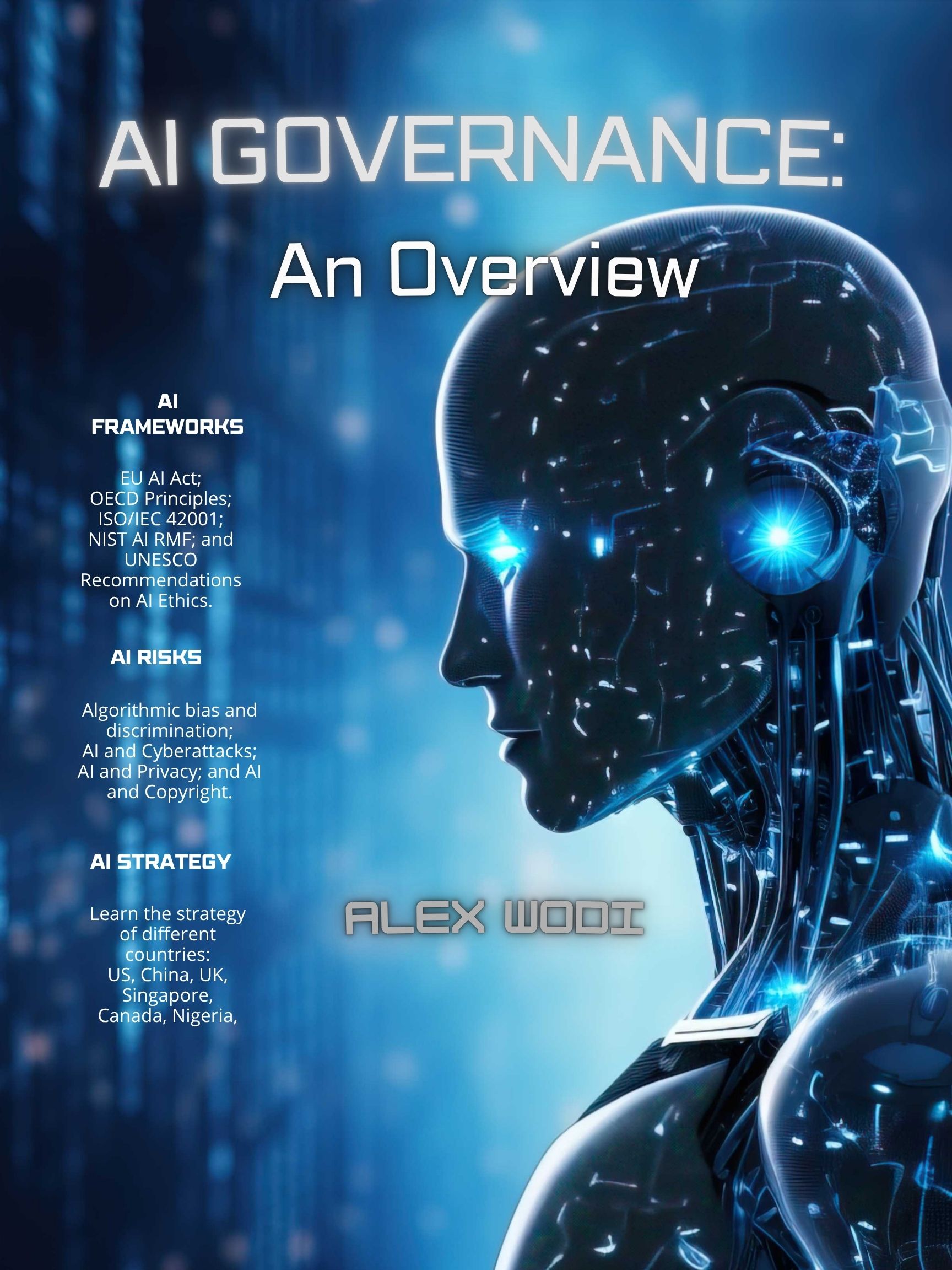
AI Governance - An Overview Paper
Abstract The explosion of interest in AI which bestrode the introduction of OpenAI’s Chat GPT and GPT 4 underscores the need for this overview to contextualize and address public concerns. If you are like me or most people, my early impression of Artificial Intelligence (AI) was largely influenced and shaped by Hollywood. I remember the doomsday scenario in the Terminator movie franchise. However, there is more to AI than killer robots or drones. AI has huge potential in such areas as finance, agriculture, manufacturing, medicine, robotics, research, education, autonomous vehicles, including law enforcement, military, and defence applications. AI like many human technologies and discoveries has a dual use problem. Meaning it may be employed for good or bad. It is often the fear of the latter that is reflected in movies. The rapid evolution of AI technology at breakneck speed has implications for humans and society. AI and Algorithm bias and discrimination, systemic and environmental risks, the intersections between AI and data privacy, torts, and IP rights violations have made AI governance a necessity and imperative.This paper looks at global and regional efforts to come up with strategies and regulatory frameworks for AI governance. Chief amongst them include the OECD AI Principles; the EU AI Act; and the NIST AI RMF. The common thread running through these frameworks and legislation is identifying and categorizing AI developments and deployments according to their risk levels and providing guidelines for ethical and trustworthy AI with considerations for human safety and innovation. Also identified and examined are a few national and state efforts, namely in the US, UK, Canada, China, Nigeria, and Singapore. The objective is to facilitate understanding of AI governance and furnish AI developers and deployers with the tools to establish a robust AI risks management framework and compliance regime. Key Words: AI, AI Governance, Data Privacy, OECD AI Principles, NIST AI RMF, EU AI Act.
Downloadable
The Most Expensive Real Estate and Other Works: An Anthology of Essays, Poems, and Artworks on the Cusp of a Pandemic
$10$12

Downloadable
The EU General Data Protection Regulation (GDPR): Five Years After and the Future of Data Privacy Protection in Review
$5
Downloadable
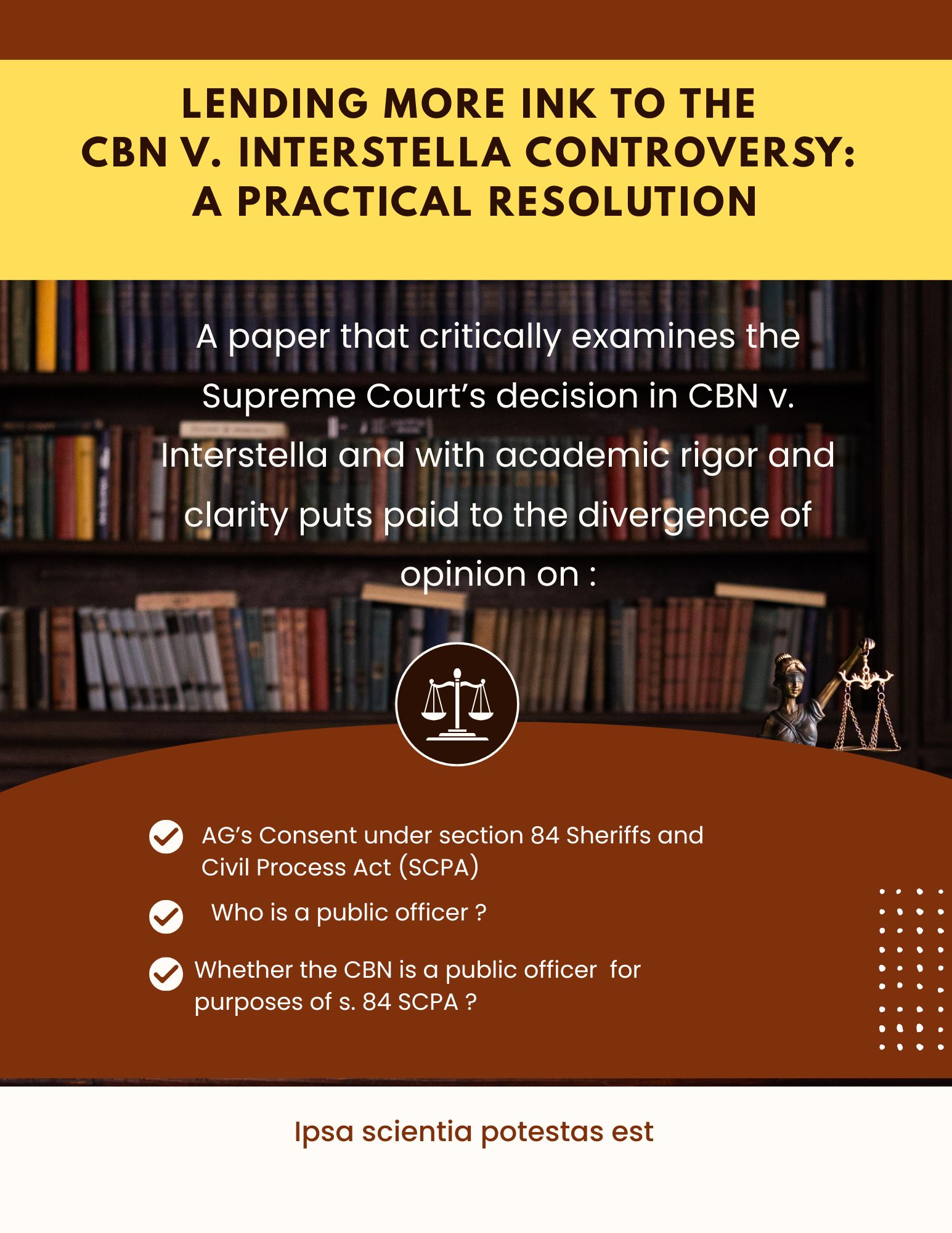
LENDING MORE INK TO THE CBN V. INTERSTELLA CONTROVERSY: A PRACTICAL RESOLUTION
$5
Downloadable
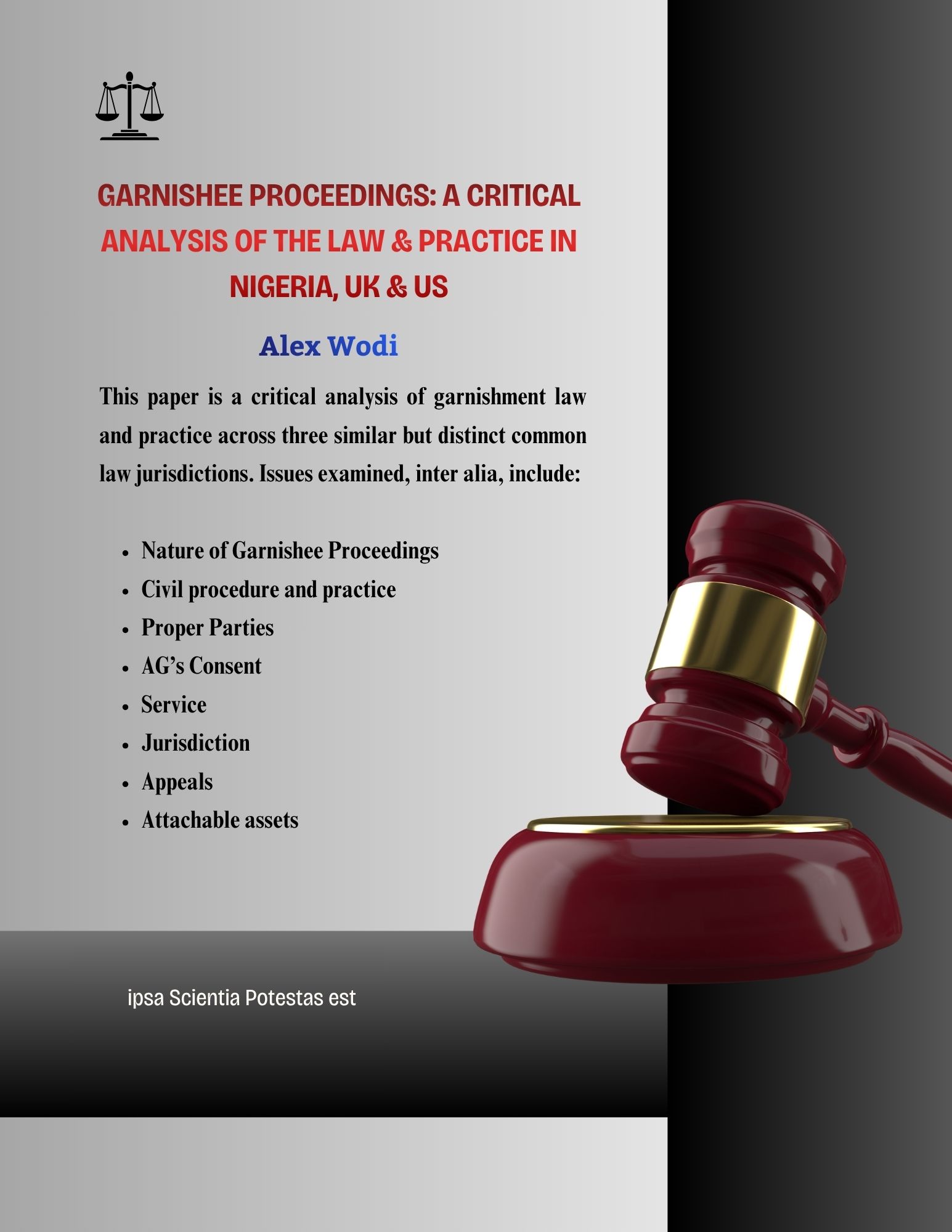
GARNISHEE PROCEEDINGS: A CRITICAL ANALYSIS OF THE LAW AND PRACTICE IN NIGERIA, UK, & U.S
$5
Physical
Garnishment Law and Practice in Nigeria, UK, and US
$25$30
Physical
AI Governance: A Necessity and Imperative
$20$25
Downloadable
AI Governance - An Overview Paper
$5
5.0